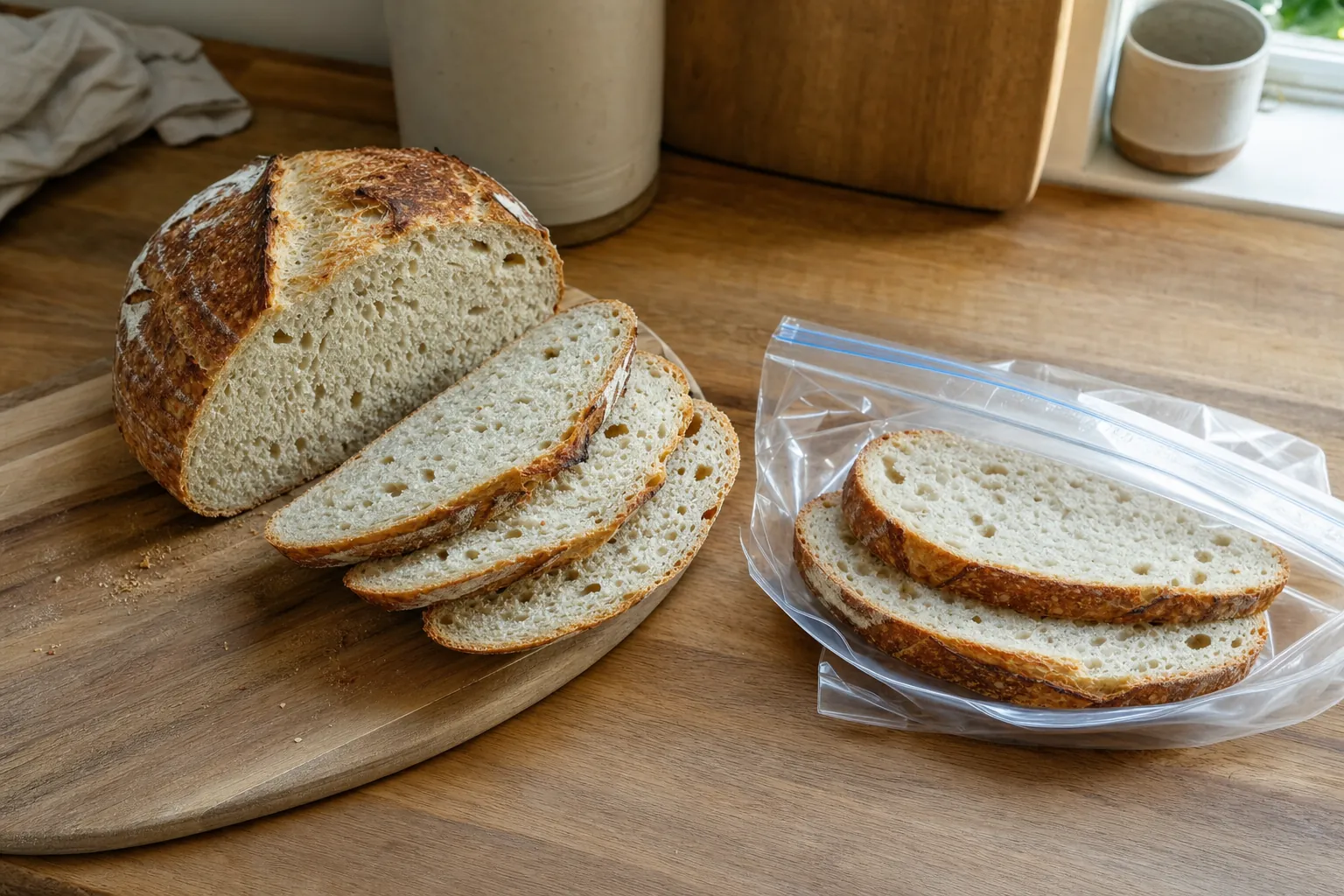
Yes, you can freeze sourdough bread, and it is one of the best ways to keep a fresh loaf ready for the days you want toast, sandwiches, soup or an easy side for dinner. The key is simple: let the bread cool completely, wrap it well, and freeze it in the form you will actually want to use.
The short answer: freeze it while it still tastes good
A fresh loaf has a short window when the crust is lively, the crumb is soft and the kitchen smells like you made a very good decision. Freezing lets you hold onto more of that moment. It is especially useful when you order a loaf for the week, pick up bread for a gathering, or want to keep a little something better than supermarket toast on hand.
Freezing is about protecting quality, not rescuing a loaf that has already gone stale or damp. If the bread is fresh and completely cool, put it away before the counter has done its usual work. If it is already dry, freezing will not bring back the original softness. The best time to freeze sourdough is the day you bring it home or the day after, when you know you will not finish it in time.
The U.S. Department of Agriculture explains that freezing preserves food safely when the freezer stays at 0°F or below. With bread, the more practical question is texture. A well-wrapped loaf gives you a much better chance of a tender center and a crust you can wake back up in the oven.
Choose whole loaf or slices before you wrap
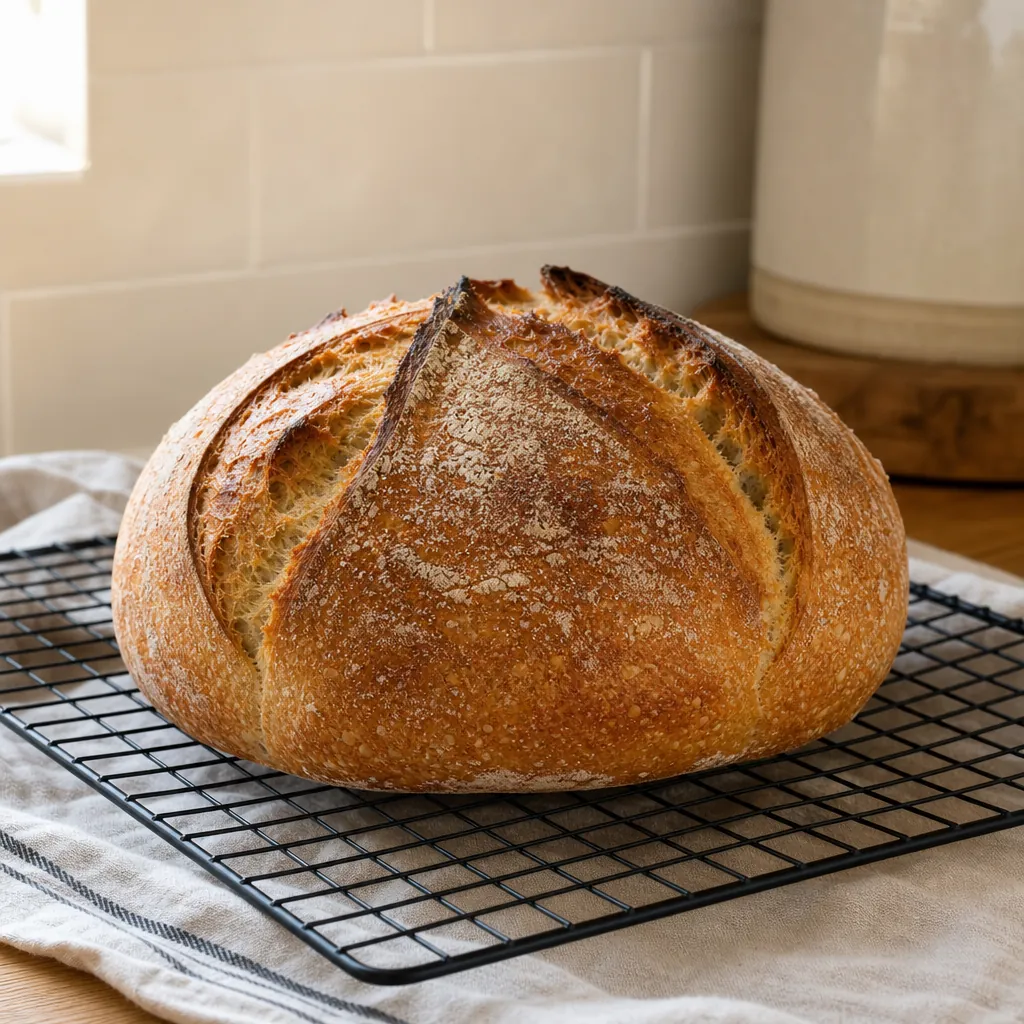
There is no single right way to freeze sourdough. The better choice depends on how you will use the bread later. A whole loaf is ideal for dinner, company or a weekend breakfast when everyone will be eating from the same basket. Slices are ideal for one or two people, rushed mornings, grilled cheese and packed lunches.
Freeze a whole loaf when: you want to serve it with soup, pasta or a shared meal; you plan to use most of it within a day; or you enjoy a warm crusty slice straight from the oven. Keep the loaf whole, then cut it after it has thawed and refreshed.
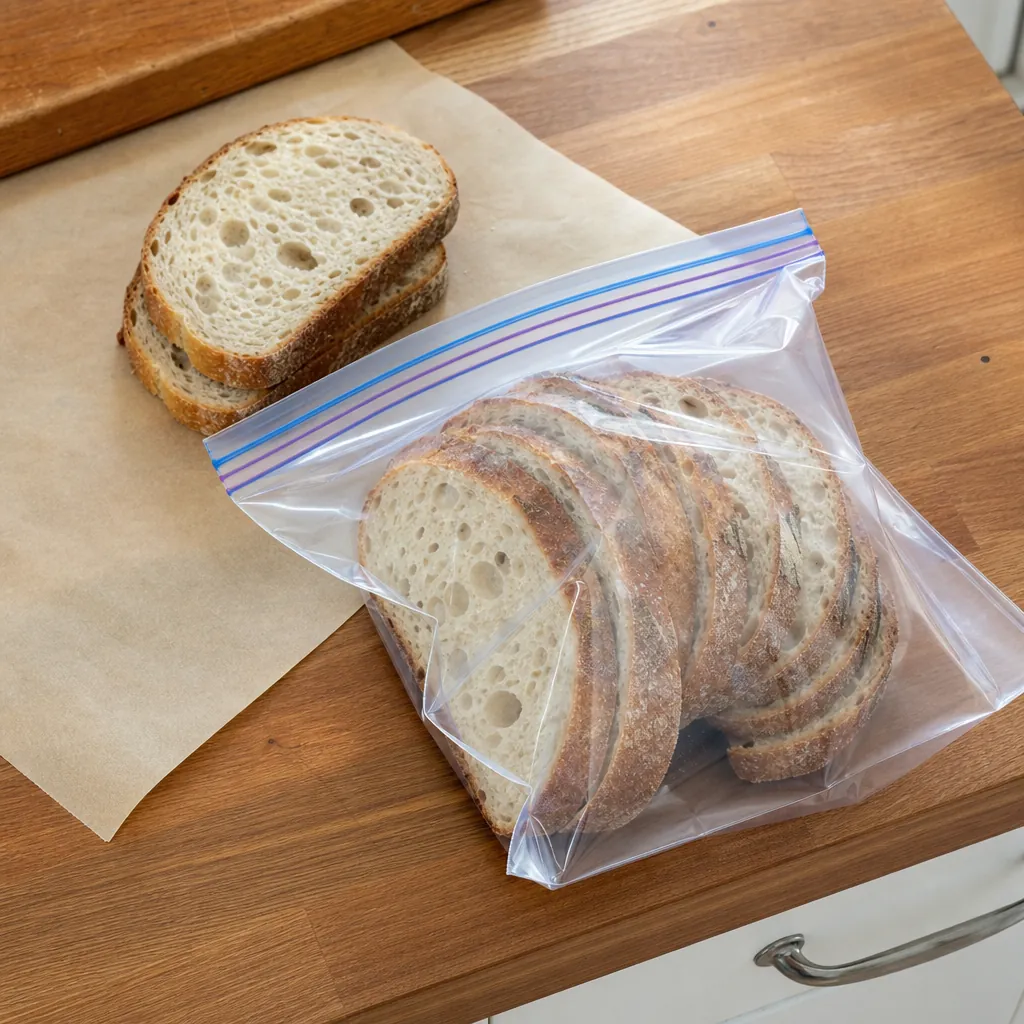
Freeze slices when: your bread usually becomes toast, sandwiches or small servings. Slice the loaf before freezing and place a small square of parchment between pieces if the bread is very soft or tightly packed. That makes it much easier to take out two slices instead of committing to the entire loaf before coffee.
You can also make a practical middle ground: cut the loaf in half, freeze each half separately, and use one half for a family dinner while the other waits for next week. The goal is to match the package to the way your household eats, not to create a freezer system that looks impressive for exactly one afternoon.
Let sourdough cool all the way first
Warm bread in a sealed bag is a bad bargain. It may feel efficient, but the trapped warmth creates condensation, and condensation is how a crisp crust turns soft and a good loaf loses its appeal. Let the bread cool fully on a rack or board before you wrap it. For most loaves, that means waiting until the center no longer feels warm when you hold the bottom of the bread.
This is particularly important with sourdough because the loaf continues to settle as it cools. Cutting or wrapping it too early can compress the crumb and trap steam around the crust. Give it the time it needs, then package it while it is still fresh.
If your loaf came in a paper bakery bag, do not rely on that bag alone for freezer storage. Paper is useful for carrying bread home, but it is not a strong barrier against dry freezer air. Move the cooled loaf to a freezer-safe bag or wrap it before placing it in the freezer.
Wrap it well, then give it a date
The biggest enemy of frozen bread is air. It dries the surface, dulls the flavor and leaves you with pale, tough patches that no amount of butter can fully talk you out of. A close-fitting freezer bag works well for a sliced or whole loaf. Press out as much air as you reasonably can before sealing it, but do not crush the bread to do it.
For a longer hold or a very crusty artisan-style loaf, add a second layer. Wrap the bread in foil or reusable freezer wrap, then place it in a freezer bag. The extra layer helps protect the loaf from freezer burn and keeps it from picking up strong odors from nearby foods. A loaf should come out tasting like bread, not the frozen lasagna next to it.
Write the date and what is inside on the package. It sounds fussy until you have three mystery bundles in the freezer. The USDA’s storage guidance is a useful reminder that food quality changes over time even when the freezer keeps it safe. Use the oldest bread first, and aim to enjoy it within a few months for the best result.
- Whole loaf: cool completely, wrap snugly, place in a freezer bag and seal.
- Slices: slice first, bag in the portions you normally use, then press out excess air.
- Half loaf: wrap each half separately so dinner for two does not require thawing a full loaf.
- Already toasted bread: let it cool, then freeze it in slices for quick breakfasts.
Where to keep it in the freezer
Put the bread where it will not be squashed by heavier food. A flat shelf or the top of a freezer basket is usually better than the bottom of a crowded drawer. Keep it away from the freezer door if you can, since that spot warms up a little every time the door opens.
There is no need to freeze bread uncovered first, and there is no need to buy a special bread box for the freezer. Good wrapping and a stable cold temperature do the important work. If you freeze several loaves at once, leave a little room around the packages until they are solid. Once frozen, they can be stacked more closely.
For customers who order bread along with cookies, pasta or pantry treats, the freezer can also be a simple way to make one pickup last longer. Keep the bread ready for a future meal, then build an easy dinner around the things that are already in your kitchen. Our easy pasta night ideas guide is a good place to start when you need a low-effort plan.
How to thaw a whole sourdough loaf
For a whole loaf, take it from the freezer and leave it in its wrapping at room temperature. Keeping it wrapped while it thaws helps the loaf hold onto its moisture instead of drying out on the counter. Depending on the size of the loaf, give it a few hours. There is no need to rush it in the microwave, which often makes bread chewy in the middle and oddly tough once it cools.
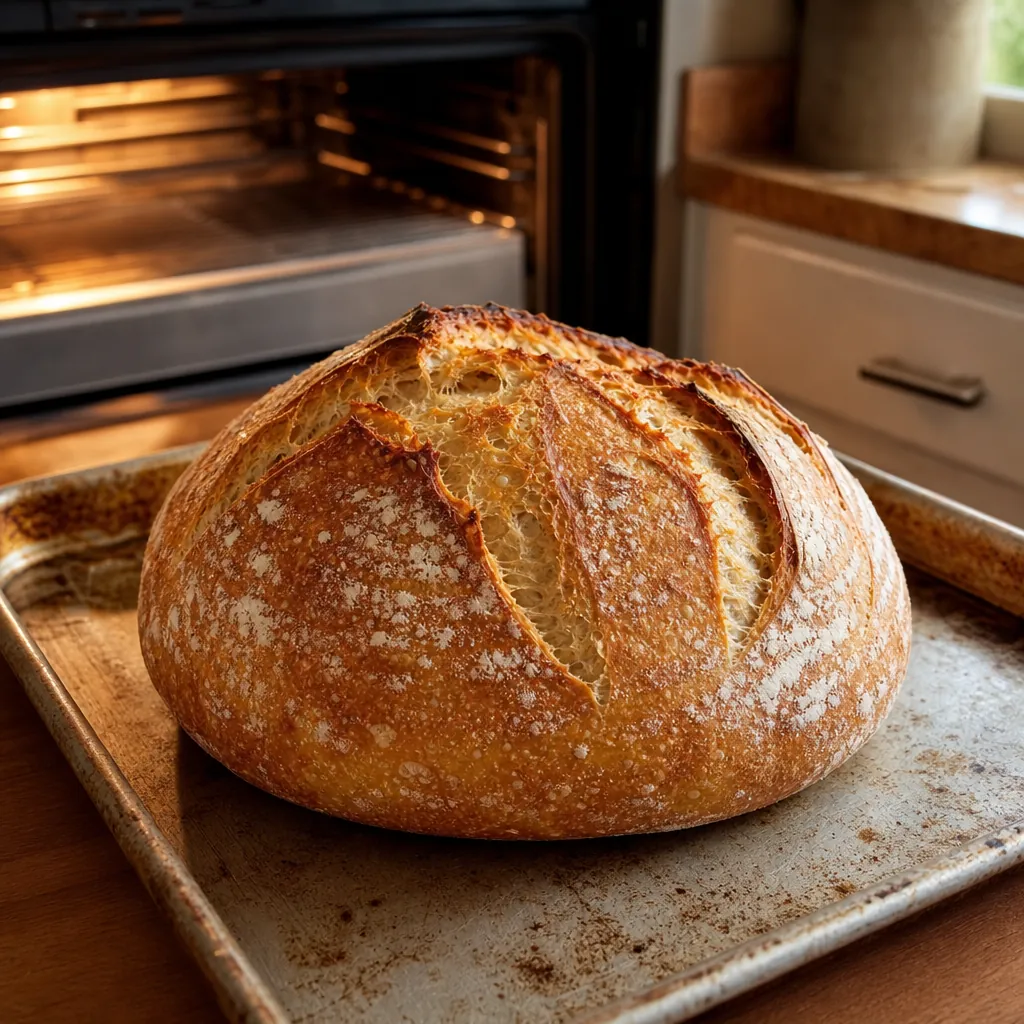
When the loaf is thawed, refresh it in a 350°F oven for about 8 to 12 minutes. If you wrapped it in foil, you can leave it loosely covered for the first few minutes, then open the foil for the final few minutes if you want more crust. The exact time depends on the size of the loaf and how dark you like the outside, so start checking early. You are not baking it again. You are simply warming it through and bringing a little life back to the crust.
Let the loaf sit for a few minutes after it comes out of the oven before slicing. The center will finish settling, and the crumb will be easier to cut cleanly. Serve it with butter, soup, a cheese board or a favorite pasta sauce. A loaf that was frozen well can still feel like something you picked up that afternoon.
How to thaw slices for toast and sandwiches
Slices are even easier. For toast, place them straight from the freezer into the toaster. You may need an extra cycle or a slightly lower setting than usual, but there is no need to thaw first. This is one of the best reasons to freeze bread in slices: breakfast stays fast, and you do not have to use more than you want.
For a sandwich, let two slices sit on the counter for a few minutes while you make coffee or pack lunch. If you prefer a softer slice, put the bread in a covered container or bag while it thaws. If you want a little more texture, warm the slices briefly in a dry skillet or toaster oven.
Do not pull frozen slices apart by force. Let them rest for a minute if they stick together. A little patience is better than tearing a good piece of bread. If you regularly make lunch for more than one person, freeze two-slice or four-slice portions in smaller bags inside a larger freezer bag. It is a small step that makes a busy morning much calmer.
Avoid the common freezer mistakes
Most frozen bread disappointments come down to a few small details. Avoid them and you will get much closer to the loaf you remember.
- Freezing bread while warm: Steam gets trapped in the package and softens the crust.
- Using only a paper bag: The loaf dries out because paper does not seal in moisture.
- Freezing bread after it has gone stale: Cold storage pauses the problem, but it does not reverse it.
- Leaving bread exposed: Air causes freezer burn and stale flavor.
- Thawing everything for two slices: Portion first so you can use only what you need.
- Microwaving a whole loaf: It can make the crumb rubbery. A moderate oven is much kinder to sourdough.
If you find an older loaf in the freezer, inspect the package. A little frost on the outside is not automatically a reason to throw it away, but obvious dry patches, a damaged bag or a strong freezer smell mean the quality may no longer be worth serving to guests. It can still become croutons, breadcrumbs or a simple baked breakfast rather than going to waste.
Make fresh bread easier to keep on hand
Freezing bread is not a compromise. It is a way to make a made-to-order loaf work for your real schedule. Keep slices ready for weekday toast, save half a loaf for pasta night, or freeze a whole loaf for the next time family comes over. That means you can order good bread when it is convenient, not only when you are certain every crumb will be gone by tomorrow.
Homestyle Dough makes bread after you order, so it is worth treating a fresh loaf as something you can enjoy in more than one moment. Browse the current shop for breads, treats and pantry favorites, or start with the soft sourdough sandwich bread for toast, lunches and easy dinners. When you know how to freeze it well, you can keep that fresh-bread feeling close by without rushing through the loaf.
Frequently asked questions
Can you freeze sourdough bread?
Yes. A fully cooled sourdough loaf freezes well. Wrap it tightly to limit air exposure, then thaw it at room temperature or warm it in the oven when you are ready to serve it.
Is it better to freeze sourdough bread whole or sliced?
Freeze a whole loaf when you expect to serve most of it at once. Freeze slices when you want quick toast, sandwiches or a couple of pieces at a time.
How long can sourdough bread stay in the freezer?
Bread stays safe in a properly cold freezer, but its texture and flavor are best when you use it within a few months. Write the date on the package so the oldest loaf gets used first.
Should I thaw sourdough bread in its bag?
For slices, you can take out only what you need and toast them from frozen. For a whole loaf, let it thaw while still wrapped so the loaf does not dry out, then refresh it in a hot oven if you want a crisper crust.
Can I refreeze sourdough bread after thawing it?
It is better to avoid refreezing a full thawed loaf because each freeze-and-thaw cycle can make the bread drier. Slice portions before freezing so you can take out only what you need.
Related posts
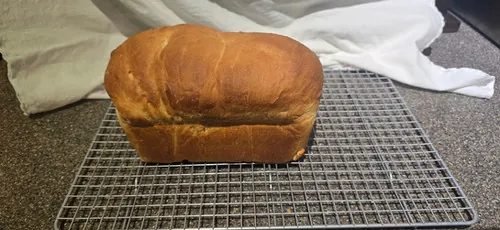
What Does Sourdough Taste Like?
A clear guide to sourdough flavour, from its gentle tang and crust to the small details that make one loaf taste different from another.
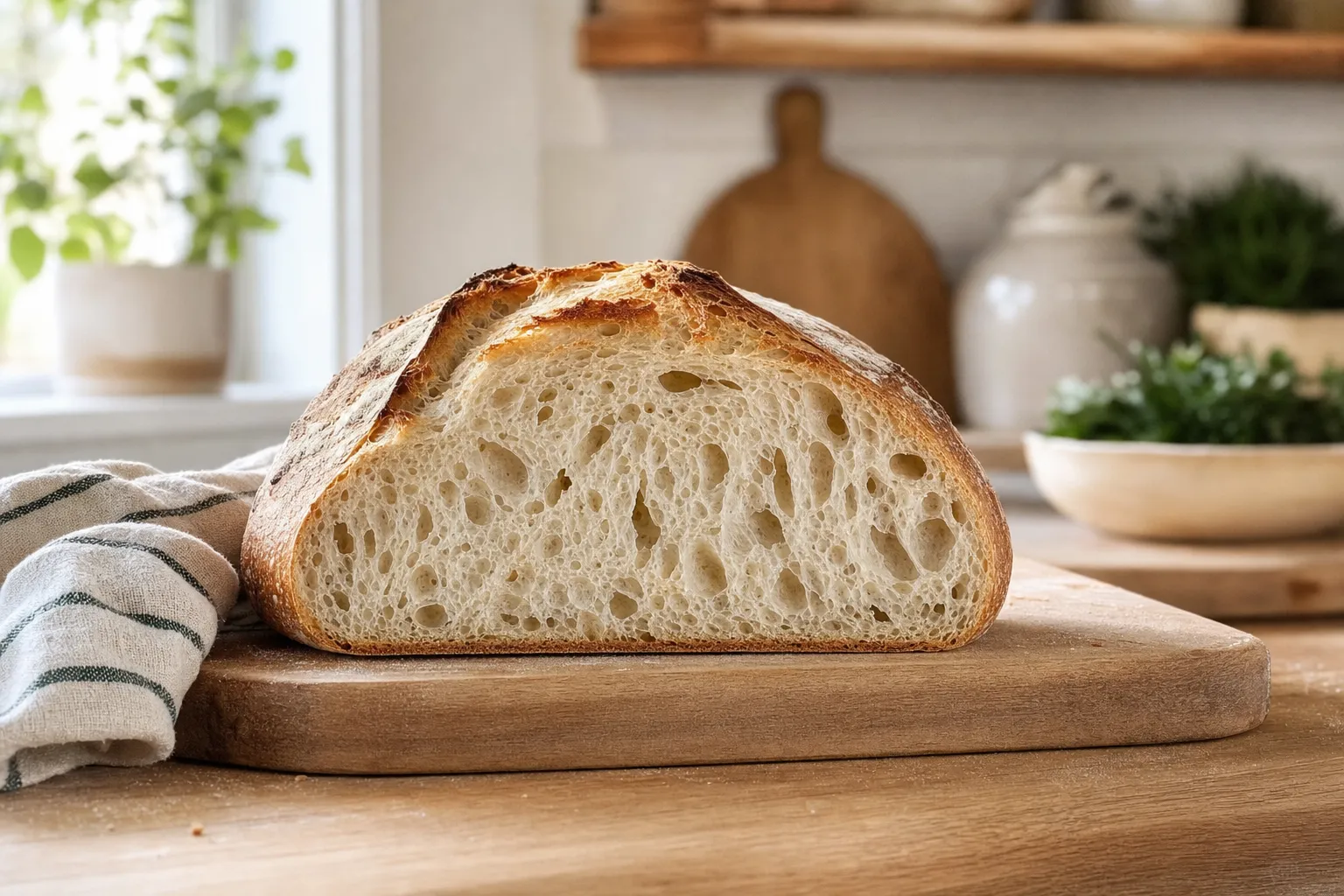
How to Store Sourdough Bread So It Stays Fresh
Keep a fresh sourdough loaf at its best with the right counter, bag and freezer choices for the way you actually eat it.
Easy Pasta Night Ideas for Any Weeknight
A few low-fuss ways to turn handmade semolina pasta, a good sauce and simple sides into a dinner worth sitting down for.

Does Dry Pasta Expire? What to Know Before You Cook It
A practical guide to dry pasta dates, pantry storage and the signs that tell you when a package is not worth using.