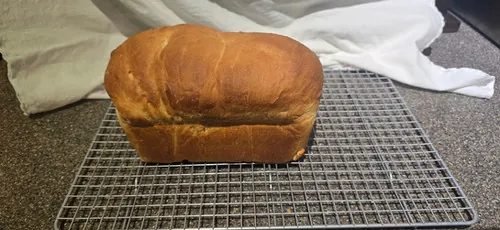
Sourdough is often described as tangy, but that only tells part of the story. A good loaf can be gently bright, wheaty, nutty, lightly sweet, deeply toasty or pleasantly chewy. The flavour depends on the dough, the fermentation and the bake, which is why one sourdough loaf can feel very different from another.
The short answer: bright, bready and a little more interesting
If you have never tried sourdough, expect bread first. The familiar comforts are all there: a warm wheat aroma, a tender or chewy crumb, and a crust that tastes more toasted than the middle. What makes sourdough different is the background note. It can be softly tangy, almost like a hint of yogurt or citrus, rather than aggressively sour.
That little bit of brightness makes butter taste richer, gives a sandwich more character and keeps a plain slice from feeling flat. It is the kind of flavour you may notice most clearly after you have eaten a few bites. A good loaf does not need to announce itself. It simply makes the whole thing taste more complete.
The word “sourdough” can make people expect a sharp punch. Some loaves do lean that way, and plenty of people enjoy them. But a well-made sourdough can also be mild, creamy, wheaty and gently sweet. There is no single flavour profile that every loaf has to follow.

Why sourdough tastes different
Sourdough dough rises with a living starter rather than relying only on commercial yeast. That starter contains yeast and lactic-acid-producing bacteria, which work together as the dough ferments. A research review on sourdough fermentation describes how those microbes help create the acids and aroma compounds that make the bread distinct.
For the person eating the loaf, the useful part is simple: time changes the flavour. As the dough rests, the flour has more opportunity to develop a fuller aroma. The result may suggest toasted grain, nuts, butter, fruit or a mild cultured tang. It is not a flavouring added after the fact. It comes from how the bread is made.
That is also why sourdough can smell so good when it is toasted. Heat wakes up the aromas in the crust, while the slice itself keeps that gentle fermented depth. A warm piece with butter is often the easiest way to understand what people mean when they say sourdough has more character.
How tangy is sourdough, really?
Think of tang as a dial, not an on-off switch. At one end are mild loaves that taste almost buttery and sweet, with only a clean, pleasant lift at the finish. In the middle are loaves where you can clearly taste the fermentation, especially around the crust. At the other end are boldly sour loaves that have a sharper, more vinegary edge.
None of those styles is automatically better. It comes down to what you want to eat with it. A mild sourdough sandwich loaf lets turkey, chicken salad, cheese or jam remain the focus. A tangier country-style loaf can be brilliant beside a rich soup, a salty cheese plate or a stew that needs something sturdy on the side.
If you are trying sourdough for the first time, start with a soft sandwich loaf or a simple toast situation. You will get the flavour without needing to negotiate with a very chewy crust or a strong acidic note. Once you know you enjoy it, there is plenty of room to explore more rustic loaves and bolder flavours.
The crust and crumb tell two different stories
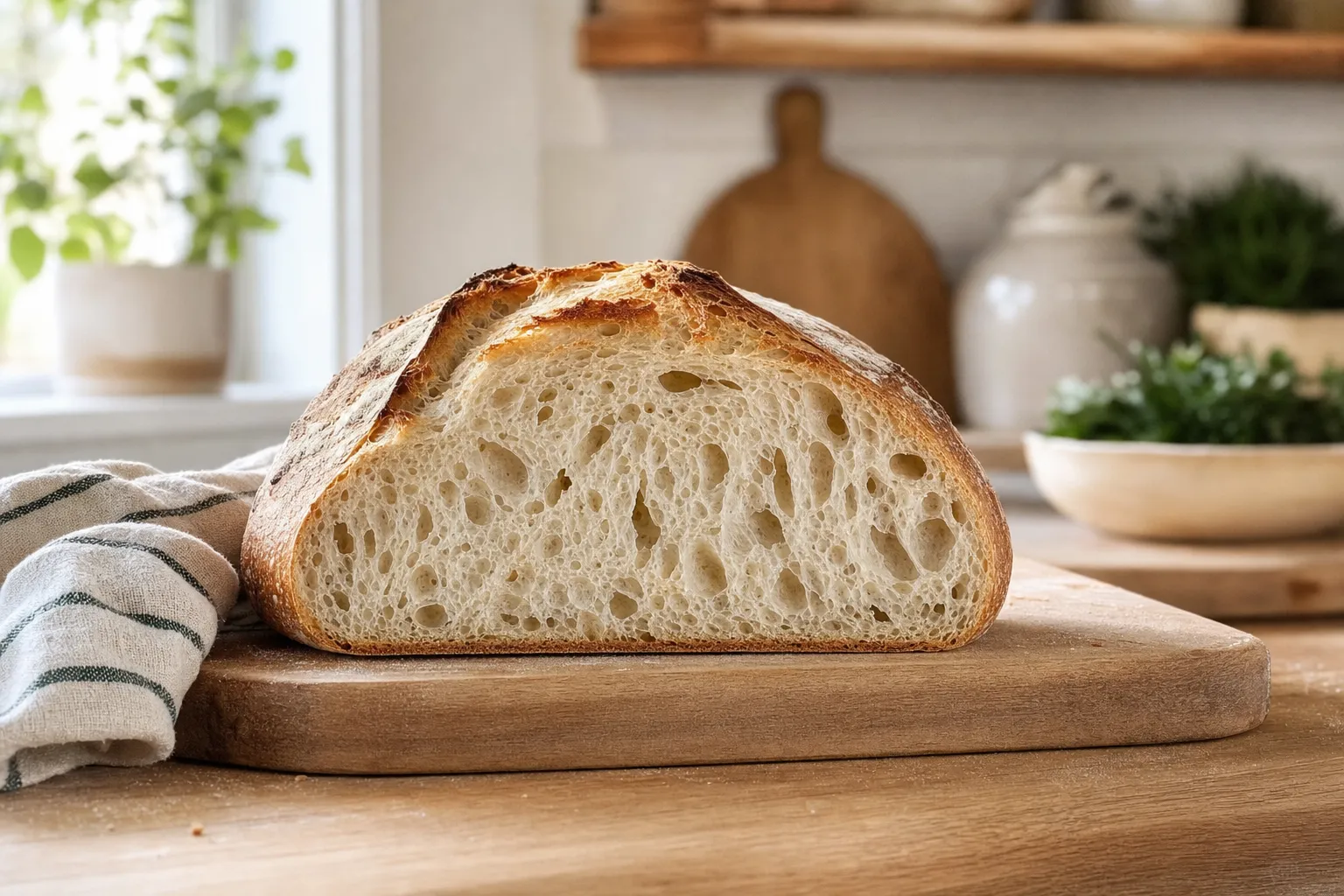
The crust is where the toastiness lives. During baking, the surface browns and takes on those roasted, caramel-like notes that make a loaf smell irresistible. A darker crust can taste more robust, while a lighter crust often lets the grain and fermentation show through more clearly.
The crumb, meaning the inside of the loaf, is usually softer and quieter. It may taste mildly wheaty, a little sweet, or pleasantly tangy depending on the dough. When people say a loaf tastes “sour,” they are often reacting to the contrast between a deeply baked crust and a soft, fermented center.
Texture shapes the experience, too. A chewy crust slows you down and makes a hearty topping feel more substantial. A soft sandwich crumb keeps the bread easy to bite and lets the filling do more of the talking. Neither is a lesser version of sourdough. They are simply made for different moments at the table.
What changes the flavour from loaf to loaf?
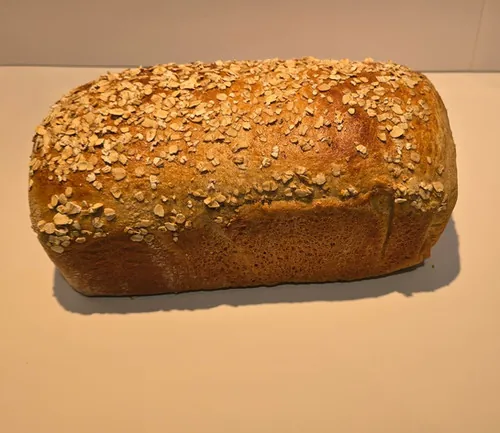
Flour makes an immediate difference. White flour tends to give a milder, cleaner profile. Whole wheat brings nuttier, earthier notes. Rye often tastes deeper and more earthy, even in a loaf that is not especially sour. Add-ins such as oats, seeds, herbs, cheese or roasted garlic create their own personality on top of the starter’s flavour.
Fermentation time matters as well. A baker can make the dough more quickly for a mild, everyday loaf or give it more time to develop a more pronounced fermented flavour. Temperature, dough moisture and the particular starter all affect that balance. This is why a recipe name alone cannot tell you exactly how a loaf will taste.
The bake matters, too. A gently baked loaf may feel soft and buttery. A darker bake can add more toast, bitterness and caramelized depth. Neither approach is a trick. They are choices that help a baker shape the loaf for toast, sandwiches, dinner or a simple piece torn straight from the bag.
How to spot a loaf you will enjoy
Start with the details you can see. A loaf with a pale, thin crust and a soft, even crumb is usually built for sandwiches and toast. It will often taste mild, familiar and lightly fermented. A loaf with a darker, thicker crust and larger irregular holes will usually feel chewier and more rustic, with more roasted flavour in every bite.
Then consider the setting. For a packed lunch, softer bread is practical because it holds together and stays easy to eat. For soup, a saucy pasta or a dinner where you want something to tear and share, a heartier crust can be exactly right. Matching the loaf to the meal is more helpful than chasing a particular buzzword on a label.
Freshness matters, too. A loaf that was baked for the table has a more lively crust and aroma than bread that has been sitting around for days. If you bring a fresh loaf home and will not finish it quickly, let it cool completely, keep it at room temperature for the first day or two, then freeze slices for later if needed. This small habit also makes it easier to save the best pieces for breakfasts, lunches and last-minute dinners. It also keeps a good loaf ready for the moments when you want a real meal without another trip to the store. For now, the simplest test is still the best one: toast a slice, add butter, and notice which parts you want another bite of.
What sourdough tastes good with
Sourdough is useful because its flavour has range. For breakfast, a mild slice with butter, jam, peanut butter or eggs feels familiar but less plain than ordinary toast. The slight tang is especially nice with sweet spreads because it keeps the bite from becoming cloying.
For lunch, use it where you would normally use good sandwich bread. Turkey and cheddar, chicken salad, ham and Swiss, egg salad and a grilled cheese all benefit from a little more flavour in the slice. The bread should support the filling, not turn the sandwich into a wrestling match, which is why a soft sourdough sandwich loaf is such a reliable choice.
At dinner, serve it with soup, pasta, roasted vegetables or a cheese board. A sturdier crust is perfect for dragging through sauce or catching the last spoonful of a soup. If you are planning an easy pasta night, a fresh slice beside the bowl can do more for the meal than another complicated side dish. Our easy pasta night ideas guide has a few low-fuss ways to build that kind of dinner.
A simple way to decide whether you will like it
Ask yourself what you enjoy in bread now. If you like toasted crusts, nutty whole grains, good butter, sharp cheese or a little brightness in food, there is a strong chance sourdough will make sense to you. If you prefer soft, mild sandwich bread, look for a loaf described as tender or mild rather than rustic or extra tangy.
Do not judge the whole category from one bite, either. A dense, dark-crusted boule and a soft sourdough sandwich loaf are both sourdough, but they do not solve the same job. One might be perfect beside soup. The other might make a weekday turkey sandwich much better. Bread is allowed to be practical and interesting at the same time.
The easiest first taste is a fresh slice, lightly toasted, with salted butter. That lets you notice the crust, crumb and gentle tang without a big filling or sauce getting in the way. From there, you will know whether you want more of that flavour at breakfast, lunch or dinner.
Bring more flavour to an everyday loaf
Homestyle Dough makes bread after you order, so a loaf arrives as something meant for the table rather than an afterthought from a shelf. The current shop includes fresh breads and treats for simple breakfasts, sandwiches and shared dinners.
For an everyday option, explore the sourdough sandwich bread. It is a straightforward place to start when you want the gentle depth of sourdough in a loaf that still works for packed lunches, grilled cheese and toast. Pair it with a jar from the bakery or make it the easy side for pasta night, then let the bread do the quiet work of making the meal feel looked after.
Frequently asked questions
Is sourdough bread supposed to taste sour?
Not necessarily. Some loaves have a clear tang, while others are mild and balanced. A good sourdough loaf should taste intentional rather than sharply acidic.
Does sourdough taste like regular bread?
It still tastes like bread, but fermentation can add more depth. You may notice a little tang, a fuller wheat flavour and a more aromatic crust than in a standard quick-rise loaf.
Why does some sourdough taste more sour than others?
The flour, hydration, fermentation time, temperature and starter all influence the balance of acidity and flavour. A baker can make a loaf mild, noticeably tangy or somewhere in between.
What should I eat with sourdough bread?
Sourdough is excellent with butter, eggs, soup, jam, cheese, roasted vegetables and sandwiches. A mild loaf works well with delicate flavours, while a tangier loaf can stand up to richer fillings.
Is sourdough good for sandwiches?
Yes. A soft sourdough sandwich loaf is especially useful because it brings a little more flavour to a sandwich without taking over the filling.
Related posts
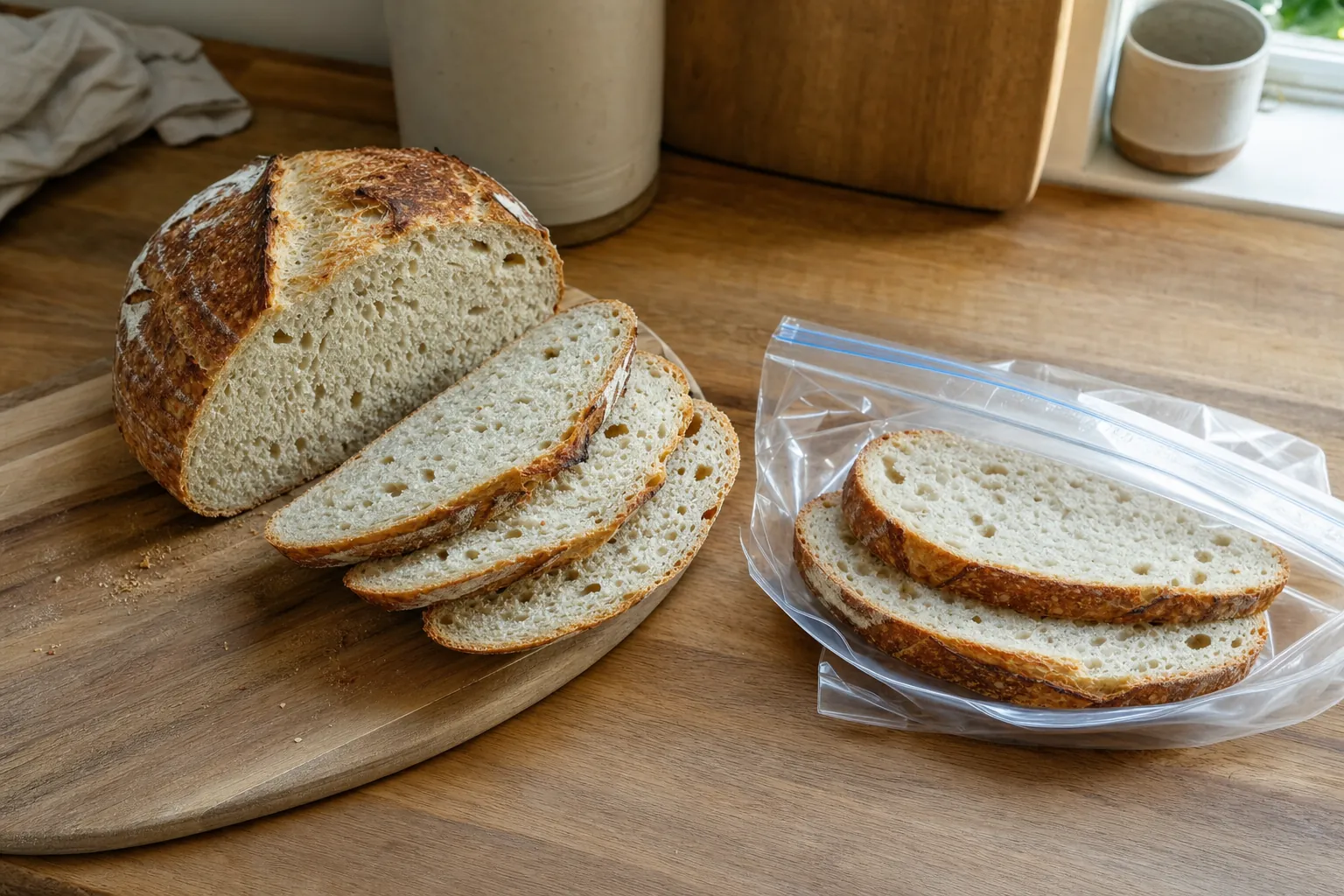
Can You Freeze Sourdough Bread? A Simple Guide
Yes. Freeze a whole loaf or individual slices the right way, then bring back the crust and flavor when you are ready to eat.
How to Store Sourdough Bread So It Stays Fresh
Keep a fresh sourdough loaf at its best with the right counter, bag and freezer choices for the way you actually eat it.

Easy Pasta Night Ideas for Any Weeknight
A few low-fuss ways to turn handmade semolina pasta, a good sauce and simple sides into a dinner worth sitting down for.

Does Dry Pasta Expire? What to Know Before You Cook It
A practical guide to dry pasta dates, pantry storage and the signs that tell you when a package is not worth using.