Sourdough can make a sandwich feel more considered without making lunch complicated. The useful trick is matching the loaf, slice and toast level to the filling in front of you. Do that, and the bread stays sturdy enough to hold the good stuff while still being easy to bite and enjoy.
Pack it well, or serve it right away
A sandwich headed to a lunchbox has different needs than one you are eating at the counter. For lunch later in the day, cool any cooked fillings completely before they meet the bread. Steam trapped inside a container is an efficient way to soften even a good sourdough slice. Keep crisp greens dry, and use a small container for especially wet ingredients such as tomato, pickles or a dressed salad.
Wrap the sandwich snugly enough to hold its shape, but do not crush it. Parchment or a reusable sandwich wrap works well for a cold sandwich because it keeps the crust from becoming sweaty. If you are packing something warm, let it cool a few minutes before closing the container. That gives the sandwich a better chance of arriving as lunch instead of becoming an accidental steamed-bread situation.
When you are serving sandwiches right away, timing is kinder. Get the fillings ready first, toast only at the last minute, and build the sandwiches just before they reach the table. A sharp knife makes a cleaner cut through a tall sandwich, while a gentle press with your hand keeps a softer one from sliding apart. These are small details, but they turn a good loaf and a few simple ingredients into a lunch people actually look forward to.
For a useful real-world benchmark, King Arthur Baking's sourdough sandwich loaf is designed around a soft texture and clean slices for fillings such as tomato. The exact recipe is not the point here. It is a good reminder that the best sandwich bread is chosen for the filling and the way you plan to eat it.
What makes sourdough work in a sandwich
A sandwich needs bread that can do two jobs at once. It has to hold the filling together, but it should not make every bite feel like a wrestling match. Sourdough is useful because it brings more flavour than plain packaged bread and can be sliced to suit the meal. A soft, square loaf is comfortable for lunch. A heartier slice is excellent when it will be toasted, pressed or piled with warm ingredients.
That does not mean every crusty sourdough loaf is the right choice for every sandwich. Very open, holey bread can let egg salad or chopped vegetables escape. A thick, hard crust can overpower a delicate filling. The best result comes from a simple match: use a tender, even crumb for everyday sandwiches, and save a sturdier slice for fillings that need some support.
King Arthur Baking describes its sourdough sandwich loaf as soft-textured and suited to fillings such as fresh tomato. That is the useful goal to look for, whether you bake or buy your bread: a loaf with enough flavour to matter, a crumb that slices neatly, and a crust that will not fight the filling.
Choose the right sourdough loaf for the filling
Begin with the kind of sandwich you want to eat. Soft fillings and lunchbox classics are easiest on a soft sandwich-style loaf. Its square slices make a tidy turkey-and-cheese, egg salad, peanut butter and jelly, or simple ham sandwich. A more rustic loaf can be wonderful, but it asks for a little more care with the knife and a filling that can stand up to its chew.
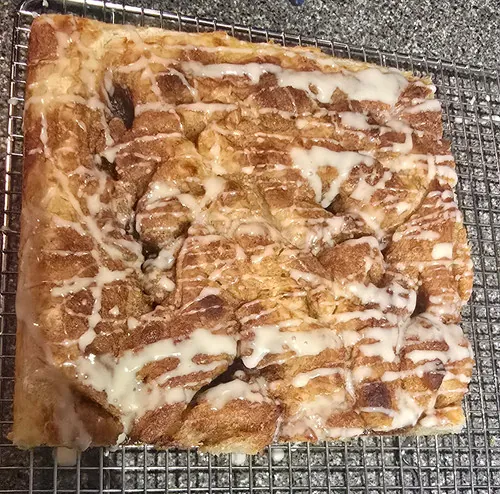
For tomato, mozzarella, grilled cheese or a warm roast-vegetable sandwich, choose a slice with a little more structure and toast it lightly. The toasted surface stays firm beneath the filling and adds contrast to soft cheese or vegetables. A flat, dimpled sourdough focaccia makes an especially good shared sandwich or pressed lunch because its olive-oil-rich crumb is flavourful without being fragile.
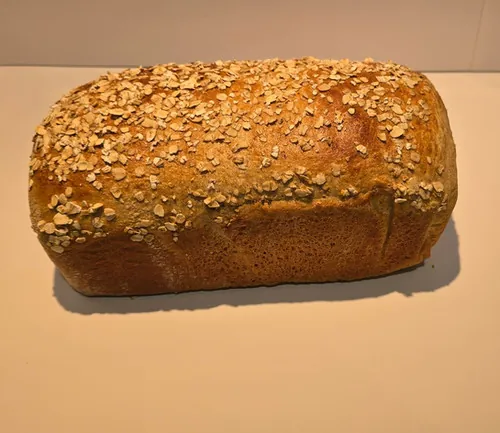
Pay attention to the shape as well as the flavour. A tall boule can give you dramatic, irregular slices, which are lovely beside soup but sometimes awkward for a packed lunch. A pan-shaped loaf gives you more even pieces. That is why the sourdough sandwich loaf is such a practical choice: it is made for consistent slices, not just a beautiful first cut through the centre.
Slice it for the sandwich you are making
For most cold sandwiches, aim for slices about one-half to three-quarters of an inch thick. This gives you a real bread layer without taking over the plate. If you are filling the sandwich with something soft, such as chicken salad or mashed avocado, stay closer to the thinner end. If you are making grilled cheese or a warm pressed sandwich, a slightly thicker slice gives you a crisp outside and a tender middle.
Use a serrated knife and a gentle sawing motion. Pressing straight down can squash the crumb, especially when the bread is fresh. If the loaf was baked that day, let it cool completely before slicing. A warm loaf smells wonderful, but its interior is still settling and can tear instead of making clean slices.
If you do not plan to finish the loaf quickly, portion it in a way that fits your routine. Our sourdough storage guide explains the counter and freezer choices, and the freezing guide can help you keep a few sandwich-ready slices on hand. The best loaf is one you can use before it loses its charm.
When to toast, and when to leave it soft
Toasting is not mandatory. It is a tool. Use it when the filling is wet, warm or especially rich. A tomato sandwich, avocado toast, tuna salad, a saucy chicken sandwich, or anything with dressed greens benefits from a lightly crisp interior. Toast gives the bread a little time before moisture begins to soften it.
For deli turkey, ham and cheese, peanut butter and jelly, or a simple egg sandwich, fresh sourdough can be better left soft. The tender crumb is easy to bite, and the gentle tang keeps a familiar sandwich from tasting flat. If the loaf is a day or two old, a quick low-to-medium toast can wake it up without turning it brittle. Our reheating guide has simple methods for one slice or a larger piece.
Toast only as far as the filling needs. Dark, dry toast is less forgiving than people think, particularly with thinly sliced meat or a delicate spread. You want a golden surface with a little crunch, not a hard shell that shatters when you take the first bite.

Build a sandwich that stays together
The order of the ingredients matters more than an elaborate recipe. Start with a thin layer of something that helps hold the filling in place: butter, mayonnaise, mustard, cream cheese, hummus, cheese or mashed avocado all work, depending on the sandwich. Then add the main filling. Keep slick or juicy ingredients toward the centre, where they are less likely to meet the bread directly.
Tomatoes and pickles are the usual troublemakers. They are delicious, but both carry enough moisture to soften bread quickly. Pat tomato slices dry, season them at the last minute, and tuck them between cheese, meat or greens when you can. For a packed lunch, carry very wet additions separately and add them when you are ready to eat. That tiny bit of planning keeps the sandwich tasting fresh instead of tired.
- For turkey or ham: add cheese first, then the meat, then greens. Mustard or mayonnaise can go on the outer slices in a thin layer.
- For egg or chicken salad: use a soft loaf, line the bread with greens if you have them, and avoid overfilling. A sandwich that closes easily tastes better than one that spills.
- For tomato and mozzarella: toast the bread lightly, use cheese as a moisture buffer, and add tomato just before serving.
- For grilled cheese: use a modest layer of butter on the outside and cook over medium-low heat so the cheese melts before the bread gets too dark.
- For peanut butter and jam: soft sourdough is a lovely choice. Spread peanut butter to the edges on both slices if you want the jam to stay put.
There is no need to stack every sandwich high. The goal is a balanced bite, where the bread, filling and seasoning show up together. A smaller, well-built sandwich is more satisfying than a tower that collapses on the plate.
Five sourdough sandwich ideas for an easy lunch
Turkey, sharp cheese and apple. Layer turkey, cheddar or provolone, thin apple slices and a little mustard on soft sourdough. The apple brings a crisp, fresh note without turning the bread wet.
Tomato, mozzarella and basil. Lightly toast a sturdy slice, then add mozzarella, well-drained tomato and basil. A little olive oil and black pepper are enough. Eat it right away while the bread still has its crisp edge.
Egg salad with greens. Use a soft, even slice and keep the egg salad lightly dressed. A small handful of arugula or lettuce gives it structure and keeps the filling from sliding around.
Grilled cheese with soup. Sourdough makes a comforting grilled cheese when the pan stays at medium-low heat. The bread can brown slowly while the cheese has time to melt. Pair it with tomato soup or a simple vegetable soup and call lunch handled.
Roasted vegetables and hummus. Spread hummus over toasted bread, then add roasted peppers, zucchini or mushrooms. This is a good use for vegetables left from dinner, and a thin layer of hummus helps keep the sandwich together.
Start with bread worth building on
Homestyle Dough makes a soft sourdough sandwich loaf with a tender crumb and a gentle tang, made for weekday lunches, toast and grilled cheese. For a shared meal or a more substantial sandwich, the sourdough focaccia gives you a crisp golden bottom and plenty of flavour.
Browse the current sourdough bread selection when you are choosing your next loaf. If you want to make lunch or dinner feel more complete, the shop also has handmade pasta, jams and small treats to add to the table. Good bread is not a garnish. It is the part that makes a simple meal feel looked after.
The useful takeaway
Use soft, even sourdough slices for everyday sandwiches and sturdier toasted bread for wetter or warmer fillings. Slice with the sandwich in mind, keep moisture away from the bread, and do not overfill. Those small choices let the sourdough bring the flavour and texture you wanted in the first place.
Frequently asked questions
Is sourdough bread good for sandwiches?
Yes. A good sourdough loaf brings a gentle tang and enough structure for everyday fillings. A softer sandwich-style loaf is particularly easy to slice, while a crustier loaf is a good match for toasted, grilled or open-faced sandwiches.
Should I toast sourdough before making a sandwich?
Toast is useful for moist fillings, such as tomato, avocado, tuna salad or a dressed vegetable sandwich, because it gives the bread a little extra protection. For a soft cold-cut or peanut butter and jelly sandwich, fresh, untoasted sourdough can be the more comfortable choice.
How thick should sourdough be sliced for a sandwich?
Start around one-half to three-quarters of an inch. That is thick enough to hold a filling without making the sandwich difficult to bite. Slice slightly thinner for lunchbox sandwiches and a little thicker for hearty grilled or open-faced sandwiches.
How do I keep a sourdough sandwich from getting soggy?
Keep wet ingredients away from the bread when you can, use a spread or cheese as a light barrier, pat juicy vegetables dry, and assemble close to eating time. Toasting the inside of the bread also helps when the filling is especially moist.
What fillings work well with sourdough?
Turkey and cheese, egg salad, chicken salad, roasted vegetables, grilled cheese, tomato and mozzarella, and simple peanut butter or jam all work. Choose the loaf and texture to suit the filling rather than treating every sourdough slice the same way.
Related posts
Gluten Free Bread: Meet Our New White Loaf
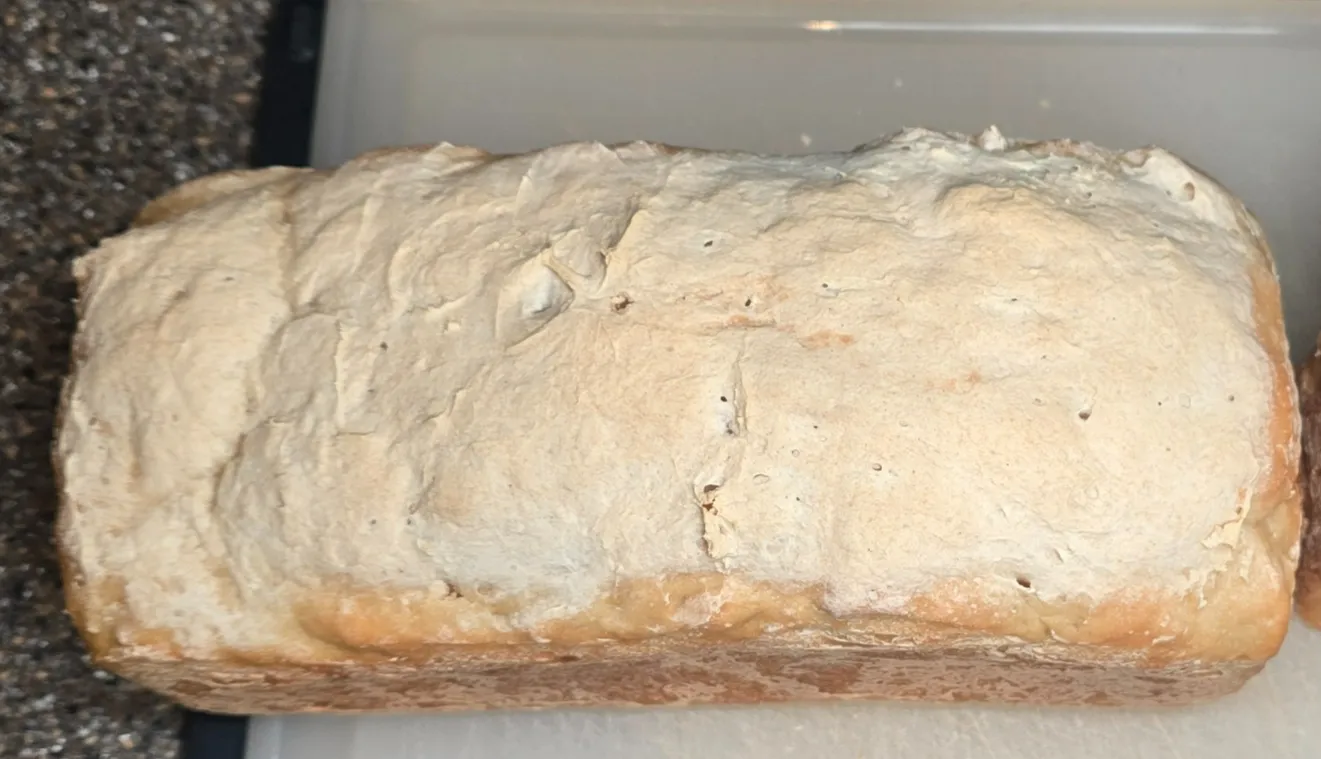
Meet our new gluten free white bread, with easy toast and sandwich ideas and a simple way to order from Homestyle Dough.
What Does Sourdough Taste Like?
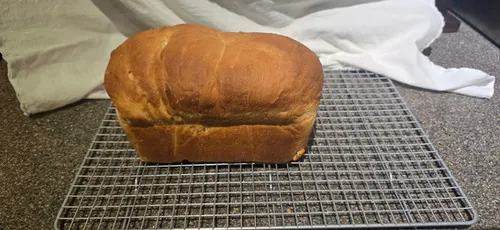
A clear guide to sourdough flavour, from its gentle tang and crust to the small details that make one loaf taste different from another.
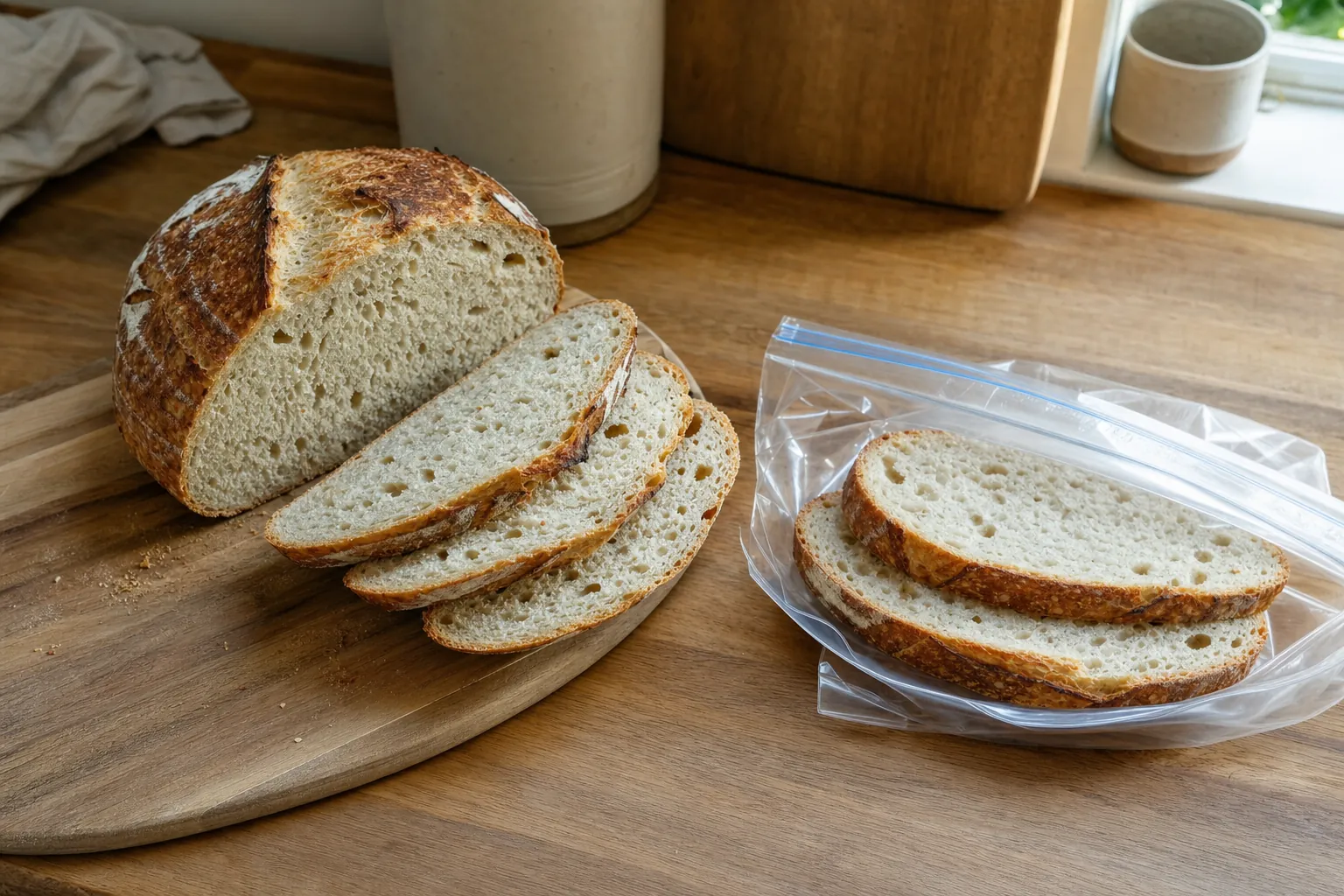
Can You Freeze Sourdough Bread? A Simple Guide
Yes. Freeze a whole loaf or individual slices the right way, then bring back the crust and flavor when you are ready to eat.
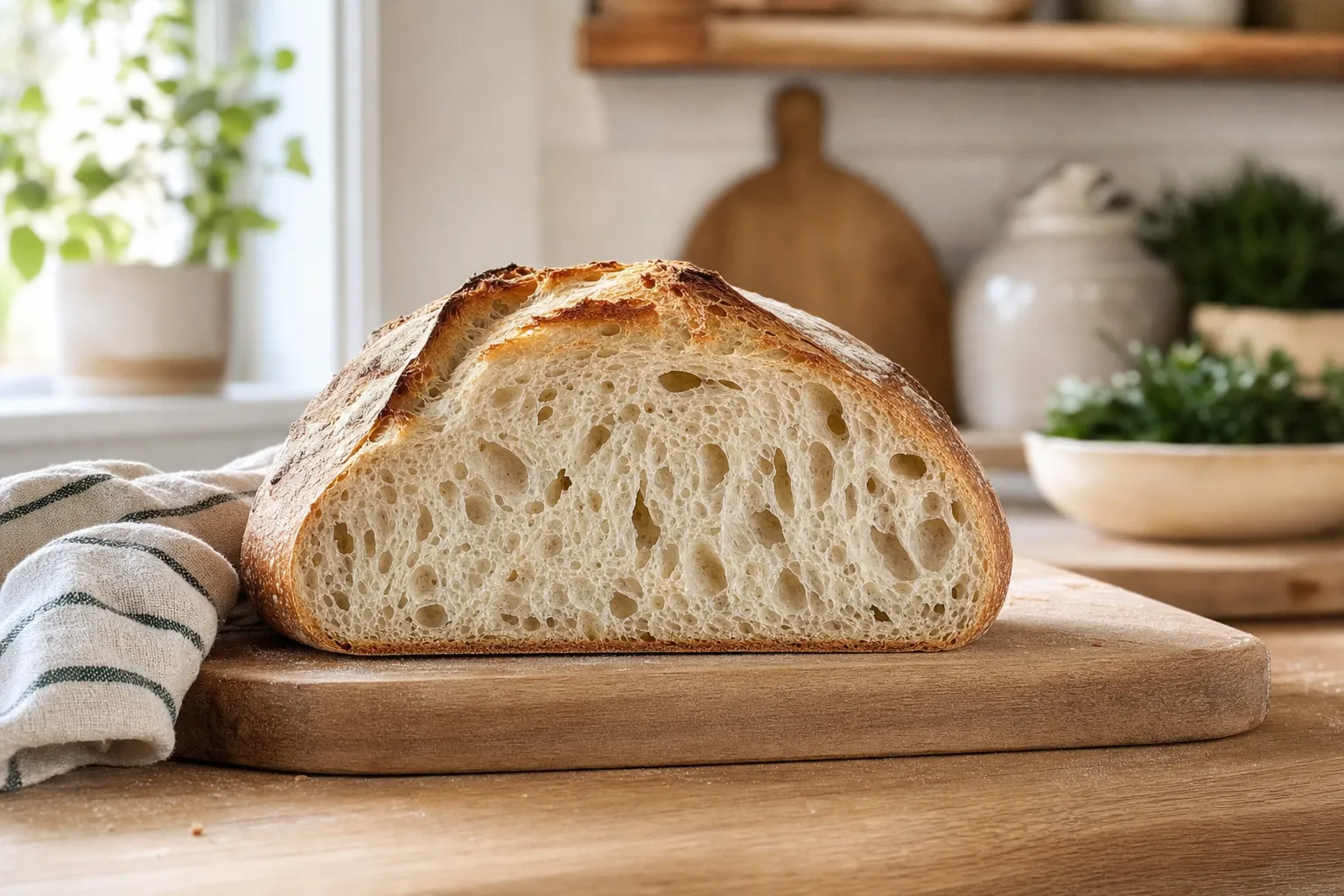
How to Store Sourdough Bread So It Stays Fresh
Keep a fresh sourdough loaf at its best with the right counter, bag and freezer choices for the way you actually eat it.