Casarecce is a short twisted pasta with an open curl, which is useful news when dinner needs a little help holding together. The best sauces for casarecce have enough body to settle into those folds, but they do not need to be heavy or complicated. Start with a sauce you enjoy, save a little cooking water, and finish the pasta in the pan. Those three moves make a much better bowl than simply pouring sauce over a drained pot.
A quick answer before dinner starts
The best sauce for casarecce is usually one with some texture: a tomato sauce with vegetables, pesto, a gentle cream sauce, or a ragù with small pieces of meat or mushrooms. The pasta’s twists give a sauce places to cling, so every forkful can carry a little more than a smooth noodle would. A thin, watery sauce can still taste good, but it tends to slide to the bottom of the bowl instead of becoming part of the pasta.
That is why a simple tomato, basil and ricotta combination is such a natural fit. Barilla’s guide to Italian pasta shapes describes casarecce as a narrow twisted tube traditionally paired with fresh pesto or tomato, basil, olive oil and ricotta. Treat that as a useful starting point, not a rulebook. The shape is friendly to many sauces as long as the finished dish has enough body to coat it.
Choose the sauce by the kind of night you are having
If the goal is dinner in half an hour, use a quick sauce that comes together while the water boils. Jarred tomato sauce becomes more personal with sautéed garlic, a pinch of red pepper, basil and a little pasta water. Store-bought pesto works the same way: loosen it with warm cooking water, add a vegetable or two, and fold in the pasta off the heat. This is not cutting corners. It is choosing a plan that gets you to the table while the food is still at its best.
If you have more time, build a deeper sauce first. Brown mushrooms until their moisture has cooked away, let sausage pick up some colour, or roast vegetables until their edges caramelize. Then add the pasta only when the sauce is ready to receive it. Casarecce is especially kind to these small, concentrated ingredients because the curls help carry them without requiring a mountain of sauce.
Think about contrast, too. A creamy sauce benefits from something green or bright, such as spinach, peas, broccoli, lemon or parsley. A tomato sauce can use a soft counterpoint, like ricotta or mozzarella, and a crunchy finish, like toasted breadcrumbs or nuts. Pesto often wants one simple extra rather than five. The pasta gives you texture already, so dinner does not need every ingredient in the pantry to feel complete.
How much sauce should you use?
Start with less than you think. Casarecce should look coated, not submerged. For a one-pound package, have enough sauce to cover the bottom of a large skillet generously, then add the cooked pasta and toss. The pasta water is your adjustment tool. If the pan looks dry, add a splash. If it looks loose, keep tossing over gentle heat for a moment before adding more cheese or oil.
This approach is more forgiving than measuring every spoonful. The pasta may absorb more or less liquid depending on the sauce, how long it sat after draining, and how close it is to done. Watch the pan rather than chasing a perfect number. When the sauce clings to the twists and leaves a light sheen instead of a puddle, it is ready to serve.
What makes casarecce different
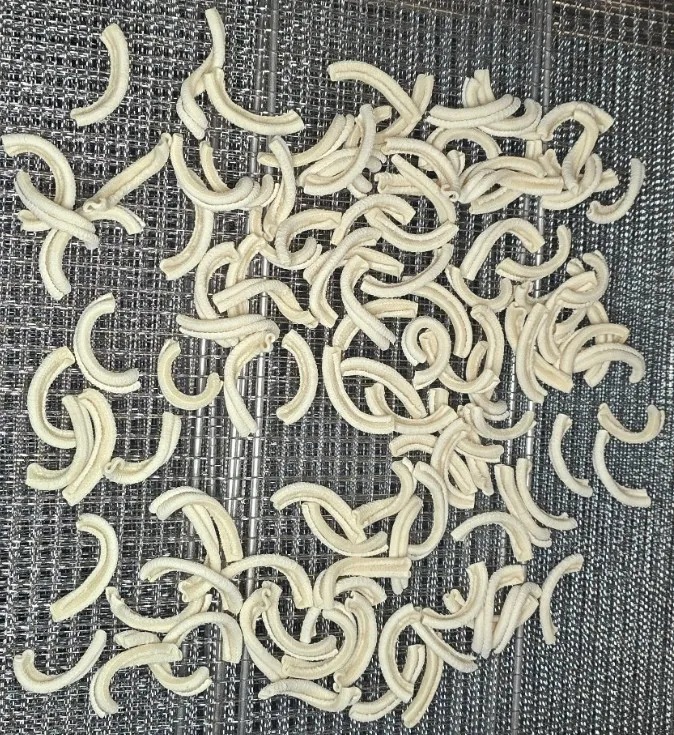
Casarecce is not simply another small noodle. Each piece is shaped like a loose scroll or curled ribbon, with an open channel running through it. That channel is the reason it performs so well at dinner. It gives a textured sauce a place to land, while the outside stays easy to fork. The result is a pasta that can make a simple sauce feel more complete without asking you to cook an elaborate meal.
You may see casarecce described as a short S-shaped pasta or a narrow twisted tube. Both descriptions are getting at the same useful idea: it has folds, not a smooth surface. Pasta Rummo describes its casarecce as a shape made to hold sauce inside. That does not mean it demands the heaviest sauce in the refrigerator. It means the pasta works best when the sauce has enough texture and moisture to coat the twists.
For a weeknight meal, think in terms of balance. A rich sausage ragù can be lovely, but so can a bright sauce of blistered tomatoes, garlic, basil and a spoonful of ricotta. Casarecce does not need a long ingredient list. It needs a sauce that is seasoned, warm and not too dry.

Four sauces that make the most of the twists
Chunky tomato and basil. This is the easy starting point. Warm olive oil with garlic, add crushed tomatoes or halved cherry tomatoes, then let the sauce reduce just enough to become glossy. Fold in basil at the end. A little ricotta, Parmesan or grated Pecorino gives the sauce body without covering the pasta’s own flavour. If you have roasted zucchini, eggplant or peppers, add them in small pieces.
Pesto with vegetables. Basil pesto, parsley pesto or a nutty arugula pesto all work well because their texture settles into the open curls. Do not boil pesto in the pan. Instead, stir it into the cooked casarecce off the heat with a splash of pasta water and a little olive oil. Add peas, green beans, roasted broccoli or a handful of baby spinach for a fuller meal. The warmth of the pasta will bring everything together without dulling the herbs.
Mushrooms and a light cream sauce. Brown sliced mushrooms well first, then season them with garlic, black pepper and a little thyme. Add a modest splash of cream, half-and-half or a spoonful of soft cheese, then loosen the sauce with cooking water. The point is a silky coating, not a casserole. The mushrooms tuck into casarecce’s folds, and the pasta stays distinct instead of disappearing beneath a heavy blanket of sauce.
Sausage, greens and tomato. Crumbled Italian sausage, broccoli, kale or spinach, tomato and a little chili make a hearty option that still feels lively. Brown the sausage, add garlic and red pepper flakes if you like them, then fold in greens and enough tomato sauce to coat the pasta. Keep the pieces small and the sauce loose enough to toss. Casarecce carries these ingredients together well, which makes it a good choice when every bite should have a little of everything.
How to cook casarecce without losing the good texture
Begin with a generously sized pot and water that is at a real boil before the pasta goes in. Salt the water until it tastes pleasantly seasoned. This is your first chance to season the pasta itself, and it matters more than trying to fix a bland bowl at the table. Stir during the first minute so the curls do not settle together.
Use the package time as a guide, not a finish line. Start tasting a piece a minute or two before the suggested time. You are looking for pasta that is tender through the outside with a little resistance in the center. If you plan to finish it in sauce, take it out a shade early. The hot pan and sauce will keep cooking it for another minute or so.
Before draining, scoop out a cup of the cooking water. This small habit is the difference between a sauce that clings and a sauce that sits beside the pasta. The starchy water helps loosen a thick sauce, bring pesto together, or make a tomato sauce glossy enough to coat the twists. Add it a splash at a time. You can always add more, but you cannot easily take it back.
Skip the rinse for a warm pasta dinner. Rinsing washes away the surface starch that helps sauce hold on. Move the drained casarecce directly into the skillet with the sauce, toss over low heat, and add a little pasta water until each piece looks coated. Then taste before serving. Often it needs only a final pinch of salt, black pepper, cheese or fresh herbs.
Three easy dinner directions
Tomato, ricotta and basil. Simmer tomatoes with garlic and olive oil while the pasta cooks. Toss the casarecce in the sauce with a splash of pasta water, then add dollops of ricotta and torn basil. The ricotta softens into the warm sauce without making it overly rich. Finish with black pepper and a little grated cheese.
Roasted vegetables and pesto. Roast bite-size vegetables until browned at the edges. Cook the casarecce, then toss it with pesto, pasta water and the vegetables off the heat. Add Parmesan or toasted nuts if you want more contrast. This is a good dinner for using what is already in the refrigerator, and the pasta’s twists help hold the vegetable pieces and pesto together.
Sausage, broccoli and lemon. Brown crumbled sausage in a large skillet. Add small broccoli florets and a splash of water, cover briefly until tender, then add garlic and lemon zest. Toss in the cooked casarecce with a little pasta water and enough olive oil to make the sauce shine. The lemon keeps the sausage from feeling too heavy, while the broccoli gives the pasta something green and crisp to carry.
A few common mistakes to avoid
Using a sauce that is too thin. Casarecce can handle a lighter sauce, but it still benefits from a little body. Let a tomato sauce reduce slightly, use pasta water to emulsify oil and cheese, or add a spoonful of ricotta to create a coating instead of a puddle.
Making every component too large. Big slices of sausage, large vegetables or whole tomatoes can remain separate from the pasta. Cut additions to fork-friendly pieces. This lets the sauce, pasta and extras arrive together instead of making you chase the last bit around the plate.
Waiting to make the sauce. The pasta is happiest when it can go from the pot into a ready skillet. Start the sauce before the water boils, or at least have the ingredients prepared. That way casarecce does not sit, stick and lose heat while you rush to catch up.
Forgetting to taste. Every shape and every batch cooks a little differently. Taste before draining, then taste again after the pasta is tossed with sauce. That second taste tells you whether it needs salt, acid, pepper, cheese or another splash of cooking water.
Start with a pasta shape made for a good sauce
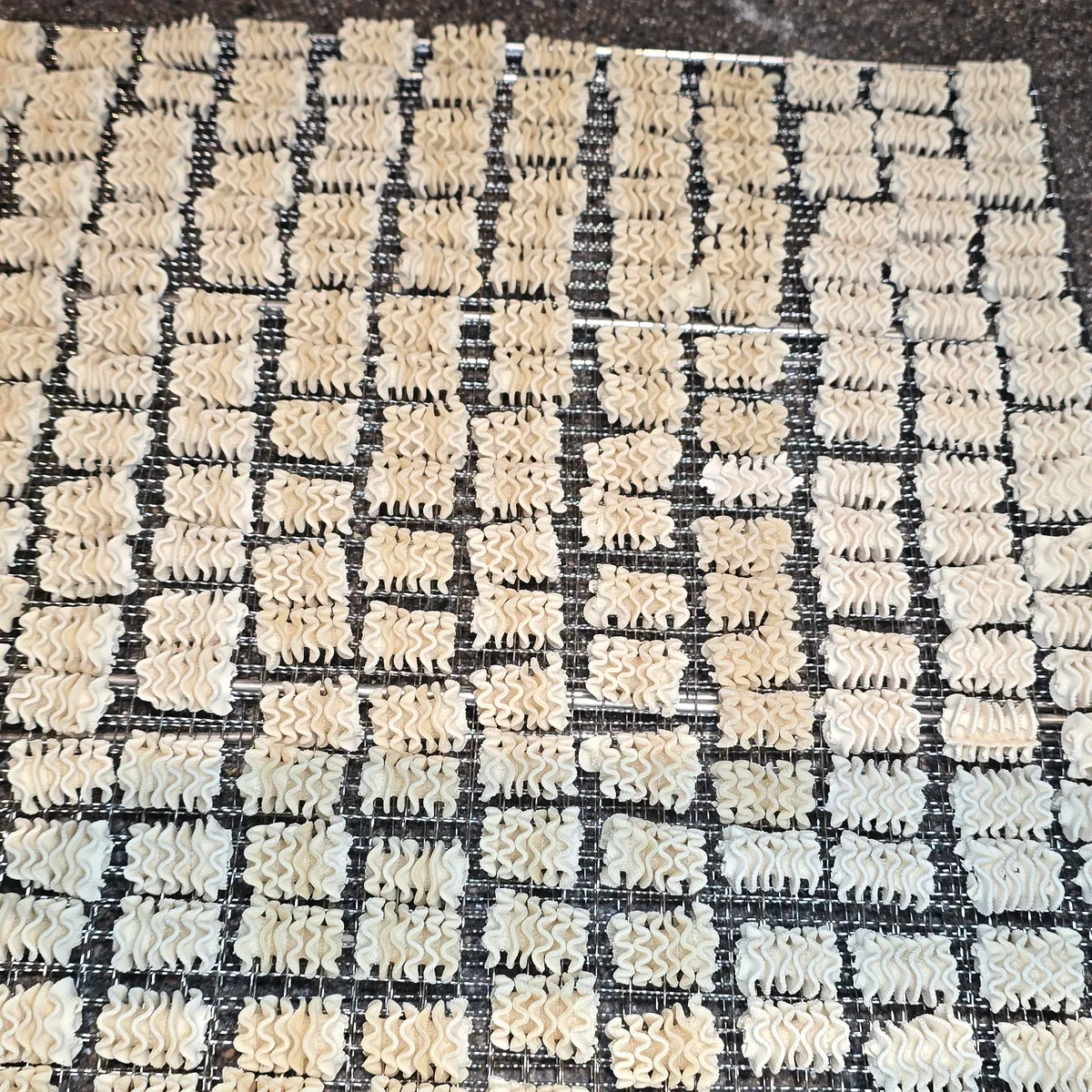
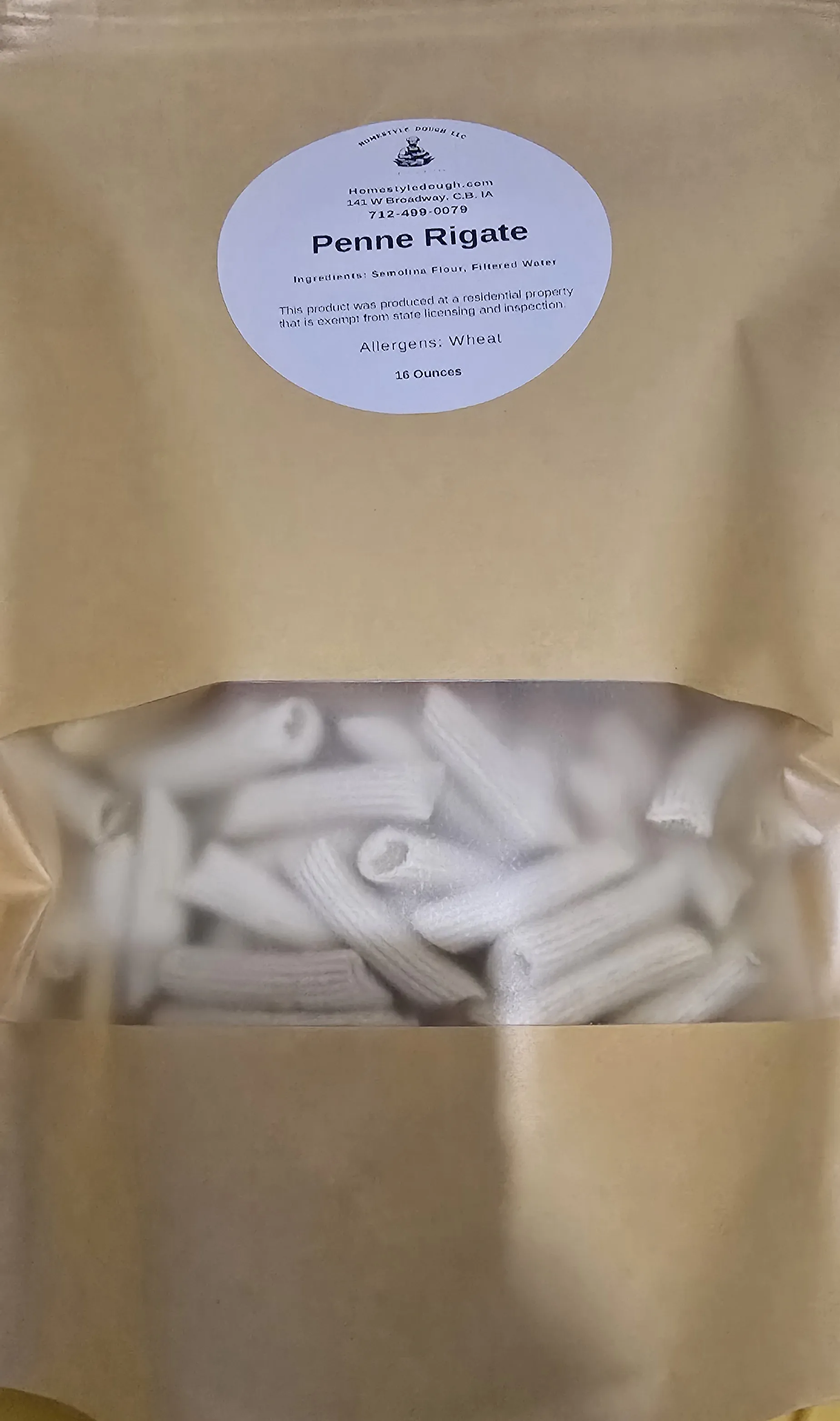
Homestyle Dough offers Caserecce as an option in its one-pound semolina pasta package. It is a short twisted pasta, always in stock and available for pickup or delivery. Choose the shape when you want a sauce-catching pasta for pesto, tomatoes, vegetables or a hearty weeknight skillet.
If you are still deciding what to make, our easy pasta night ideas can help you turn one package and a few pantry staples into dinner. For timing in the pot, read the fresh versus dried pasta cooking guide, then browse the handmade semolina pasta selection or the current shop when you are ready to order.
The useful takeaway
For casarecce, choose a sauce with enough texture to settle into the twists, cook the pasta until it still has a little bite, and finish everything together with a splash of cooking water. Tomato and ricotta, pesto and vegetables, mushrooms and cream, or sausage and greens are all good places to start. The best choice is the one that gets dinner on the table while the pasta is still hot and the sauce is clinging where it belongs.
Frequently asked questions
What sauce is best with casarecce pasta?
Pesto, tomato sauces with vegetables, creamy mushroom sauces and small-piece ragùs are especially good choices. Casarecce has an open twist that catches sauces with a little texture, so the goal is a coating sauce rather than a thin pool at the bottom of the bowl.
Is casarecce pasta good with pesto?
Yes. Pesto has enough body to settle into casarecce’s curls, especially when it is loosened with a small splash of pasta water. Add the pesto off the heat or over very low heat so its fresh basil flavour stays bright.
How long should I cook casarecce?
Use the package directions as the starting point, then taste a piece before draining. Dried casarecce should be tender with a little bite in the center. If it will finish in sauce, lift it from the water just before it reaches the texture you want.
Should I rinse casarecce after cooking?
No, not for a warm pasta dinner. The light starch on the surface helps sauce cling to the twists. Save some cooking water, drain the pasta, and toss it directly with the sauce instead.
What can I add to casarecce for a simple dinner?
Try cherry tomatoes and ricotta, sautéed mushrooms and spinach, Italian sausage and broccoli, roasted vegetables, or pesto with peas and Parmesan. Keep the additions bite-size so they can travel with the pasta instead of staying behind in the bowl.
Related posts
Fresh vs. Dried Pasta: Cooking Time Differences
Learn why fresh and dried pasta cook at different speeds, how to tell when each is ready, and which one makes sense for dinner.
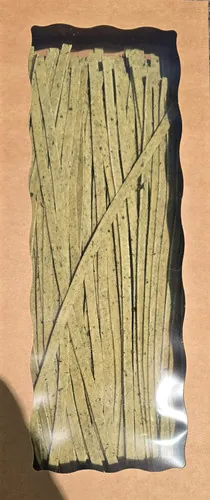
Easy Pasta Night Ideas for Any Weeknight
A few low-fuss ways to turn handmade semolina pasta, a good sauce and simple sides into a dinner worth sitting down for.
Does Dry Pasta Expire? What to Know Before You Cook It
A practical guide to dry pasta dates, pantry storage and the signs that tell you when a package is not worth using.
How Much Pasta Per Person? A Simple Guide
Plan a pasta dinner without guesswork, from a weeknight meal for two to a generous table for family and friends.