A package of dry pasta is one of the most dependable things in a pantry. It can wait patiently for the night you need dinner to be easy. But when the date on the package has passed, it is fair to wonder whether it is still a good idea to cook it. The short answer is: the date matters, but so do the pasta, package and pantry around it.
First, know what the date is telling you
For most packaged foods, a date is not the same thing as an instant stop sign. The U.S. Food and Drug Administration explains that the “Best if Used By” wording is intended to signal when a food is likely to be at its best flavour and quality, not necessarily the last safe day to eat it. That is useful context for a cupboard staple such as dry pasta, but it is not a reason to ignore a package that has clearly been compromised.
Think of the date as your starting point. Then look at how the pasta was stored. A sealed package kept in a clean, dry cupboard has had a much easier life than one that spent months near steam, a leaky shelf or an open bag of flour. If the product maker gives a specific storage instruction, follow that first. For any question about a particular product, its label is the most relevant guide.
That distinction also keeps the question practical. Dry pasta does not become better with age, and an old package may lose some of its best texture or flavour. But a date alone does not tell the whole story. The condition of the pasta and its packaging does.
Why dry pasta keeps so well
Dried pasta is a shelf-stable food because it is made to have very little moisture. That makes it a different pantry item from fresh refrigerated pasta, which should always be handled according to its use-by date and cold-storage instructions. The U.S. Department of Agriculture includes pasta among foods that can be safely kept at room temperature when stored properly.
That does not mean every kind of pasta belongs in the same category. A plain, commercially dried semolina pasta behaves differently from fresh pasta, a refrigerated filled pasta, or a homemade dough that has not been dried thoroughly. Start by identifying what you have. If it came from the refrigerated section, contains a filling, or says to keep refrigerated, treat it as perishable. This guide is for dry pantry pasta.
It also helps to separate two ideas that often get mixed together: quality and spoilage. Over time, dry pasta can become less appealing. It may cook a little differently or taste flat. Spoilage is different. Moisture, pests, visible mold, damage or a strange smell are reasons to skip it rather than test your luck with dinner.
Dry, fresh and cooked pasta are not interchangeable
The word “pasta” covers several foods that need very different treatment. Dry pasta is hard, brittle and designed for the cupboard. It has been dried so it can sit at room temperature. Fresh pasta is soft and contains much more moisture. It is usually sold refrigerated, often has a shorter date, and should go straight back into the refrigerator once you get home.
Cooked pasta is another category entirely. The moment pasta is boiled, it takes on water and becomes a leftover rather than a pantry staple. Letting a cooked bowl cool on the counter all afternoon is not the same as leaving an unopened package in a cupboard. The USDA’s leftovers guidance recommends getting cooked leftovers into the refrigerator promptly and using them within three to four days.
This is why a single answer such as “pasta lasts forever” is not very helpful. Ask what kind of pasta it is first. Then follow the storage direction on the package and use the date in context. A good pantry habit is to keep dry pasta, fresh pasta and leftovers in separate zones of your kitchen so there is no guesswork on a busy night.
Check the package before you cook
When you find an older package, take thirty seconds to inspect it. You are looking for a simple answer: did this pasta stay dry, clean and protected?
- Look for moisture. Clumped noodles, softened edges, damp spots or a package that feels wet are all reasons to discard it.
- Check for pests. Webbing, tiny insects, eggs or unexplained powder around the package mean the pasta is not worth keeping.
- Look at the colour. Major discoloration, fuzzy spots or anything that resembles mold is a clear no.
- Use your nose. Dry pasta should smell mild and grain-like. A musty, sour, rancid or otherwise unpleasant smell means it is time to throw it out.
- Inspect the package. A torn, chewed, swollen or water-damaged package cannot reliably protect what is inside.
The FDA advises people to examine foods past their quality date for noticeable changes in colour, consistency or texture. With dry pasta, moisture is usually the big warning sign because it changes the safe, shelf-stable condition that made the pasta dependable in the first place.
Store opened pasta so the next dinner is easy
The best place for dry pasta is boring in the best possible way: a cool, dry cupboard away from the stove, dishwasher, sink and sunny window. Heat and humidity do not do a pantry any favours. If the original bag closes securely and stays clean, it may be enough. If not, move the pasta into a dry airtight container and label it with the variety and the date you opened it.
Choose a container that is easy to keep clean and easy to see into. A clear jar is handy for long shapes, while a wide canister works well for short pasta. The goal is not a picture-perfect pantry. It is to keep moisture, stray crumbs and pests out while making it easier to see what you already have before buying more.
Do not store dry pasta beside strongly scented cleaning supplies or in a damp garage. It is also worth avoiding a cupboard directly above a kettle or frequently used range. Small changes in storage make a larger difference than trying to stretch a package long after it has taken on humidity.
A five-minute pantry routine that pays off
Once a month, take a quick look at the pasta, rice, flour and baking supplies in your cupboard. Move the packages that have been open the longest to the front. Wipe up loose crumbs, check container lids and make sure no package has been pushed against a damp wall. This small reset is more useful than buying a complicated storage system, and it makes weeknight dinner planning less of a scavenger hunt.
When you open a new package, write the month and year on the container or a small piece of tape. You do not need to panic when that date gets older. The note simply gives you a better picture of what is already in your kitchen. Use the oldest sound package first, save newer pasta for later, and replace anything that has been affected by moisture or pests.
Keeping a few reliable shapes on hand also helps. A sturdy ridged shape is good for tomato sauces and baked dishes. A ribbon pasta suits lighter sauces and quick vegetables. If a night calls for very little planning, dry pasta, a jar of sauce and one fresh side are enough to make a meal feel complete.
Before a grocery run, look over the shelf and make a one-line plan for the oldest sound package. It might become a simple tomato pasta, a butter-and-herb side dish or a baked casserole later in the week. Using what is already there keeps the pantry useful and makes room for the next good thing you bring home.
What to do with a package past its date
If the package is unopened, dry and undamaged, start by checking the manufacturer’s date and any handling notes. Then inspect the pasta as you would any other pantry staple. A past best-by date does not automatically turn a sound package into waste, but it does give you a reason to be a little more observant.
If the package has been open for a while, the same checks apply, with more attention to moisture and pests. A sealed container helps, but it cannot undo a damp storage spot or a package that was already compromised. When you are unsure, choose another dinner. Pasta is inexpensive enough that there is no prize for taking a gamble on a questionable bag.
Once you cook it, the rules change. Cooked pasta is perishable. The USDA recommends refrigerating leftovers promptly and using them within three to four days. Keep them in a covered container, and discard them if they have been left out for too long or show any signs of spoilage.
Keep one good pasta night in reserve
A reliable package of dried pasta is not just backup food. It is the beginning of an easy dinner: a simple sauce, a little cheese, a green vegetable, and something warm for the table. If you are not sure what to make, our easy pasta night ideas guide keeps the plan simple.
Homestyle Dough makes small-batch dried pasta for those nights when you want dinner to feel considered without starting from scratch. Explore the current handmade semolina pasta collection, or browse the full Homestyle Dough menu to add a loaf, a treat or a pantry favourite to the table.
Frequently asked questions
Can you eat dry pasta after the best-by date?
A best-by date is generally about quality, not an automatic safety deadline. If the pasta has stayed dry, looks normal and the package has not been damaged, it may still be usable. Check the product label and discard pasta that shows signs of moisture, pests, mold or an off smell.
Should dry pasta be refrigerated after opening?
No. Refrigeration can introduce condensation when the pasta moves between temperatures. Keep opened dry pasta in a tightly sealed container in a cool, dry cupboard instead.
What is the best container for dry pasta?
A clean, dry airtight container works well. A screw-top glass jar, a canister with a reliable seal, or a sturdy food-storage container all help keep out pantry moisture and pests.
Can I freeze dry pasta?
You can, but it is usually unnecessary for commercially dried pasta. A cool, dry pantry and an airtight container are normally the simpler choice.
How long are cooked pasta leftovers good for?
Refrigerate cooked pasta promptly in a covered container and use it within three to four days. When in doubt, throw it out rather than trying to rescue leftovers that have sat too long.
Related posts
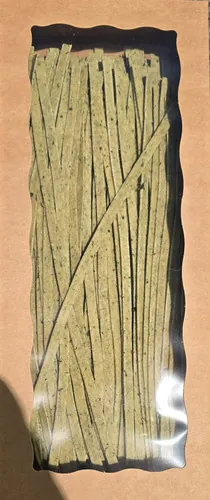
Easy Pasta Night Ideas for Any Weeknight
A few low-fuss ways to turn handmade semolina pasta, a good sauce and simple sides into a dinner worth sitting down for.
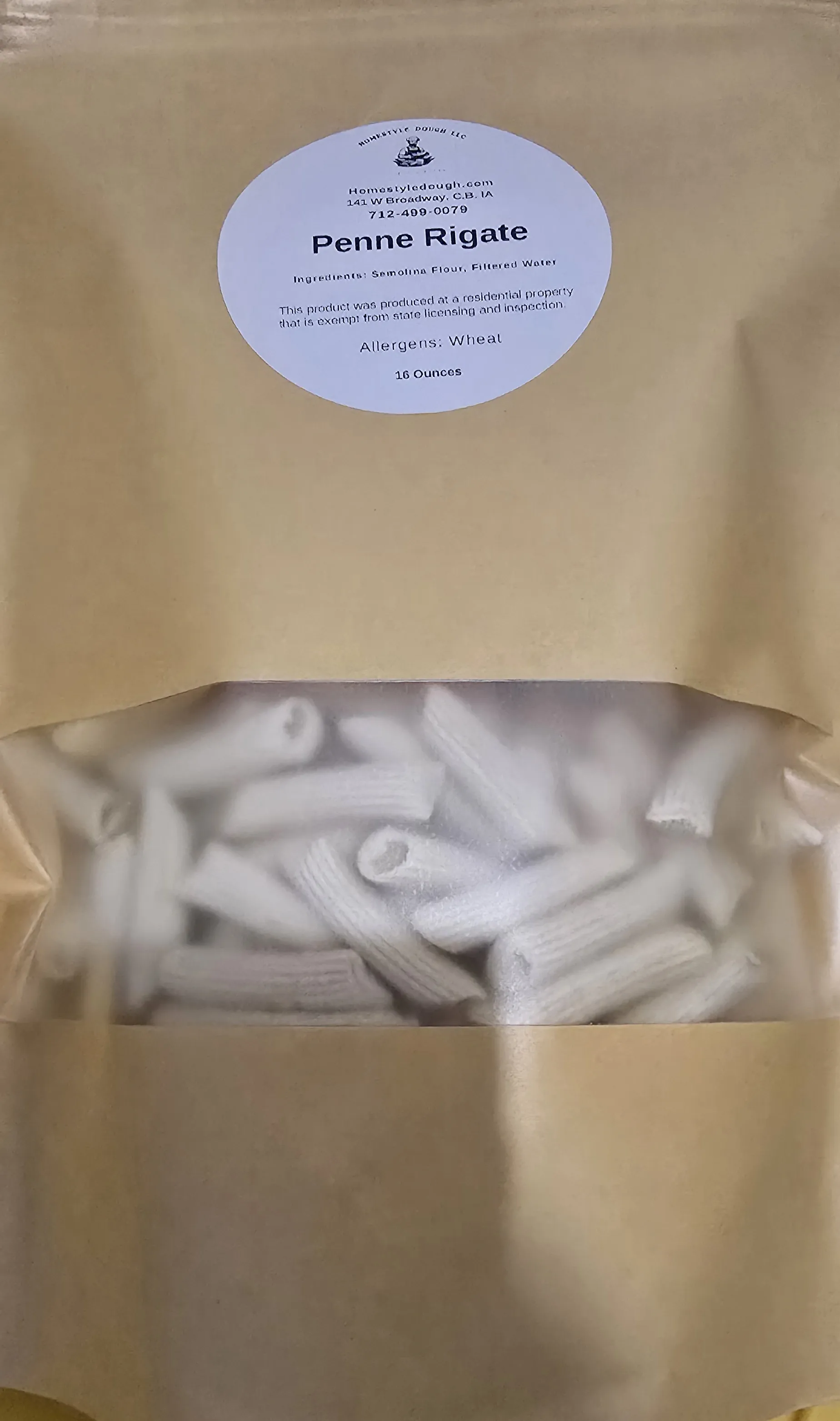
How Much Pasta Per Person? A Simple Guide
Plan a pasta dinner without guesswork, from a weeknight meal for two to a generous table for family and friends.
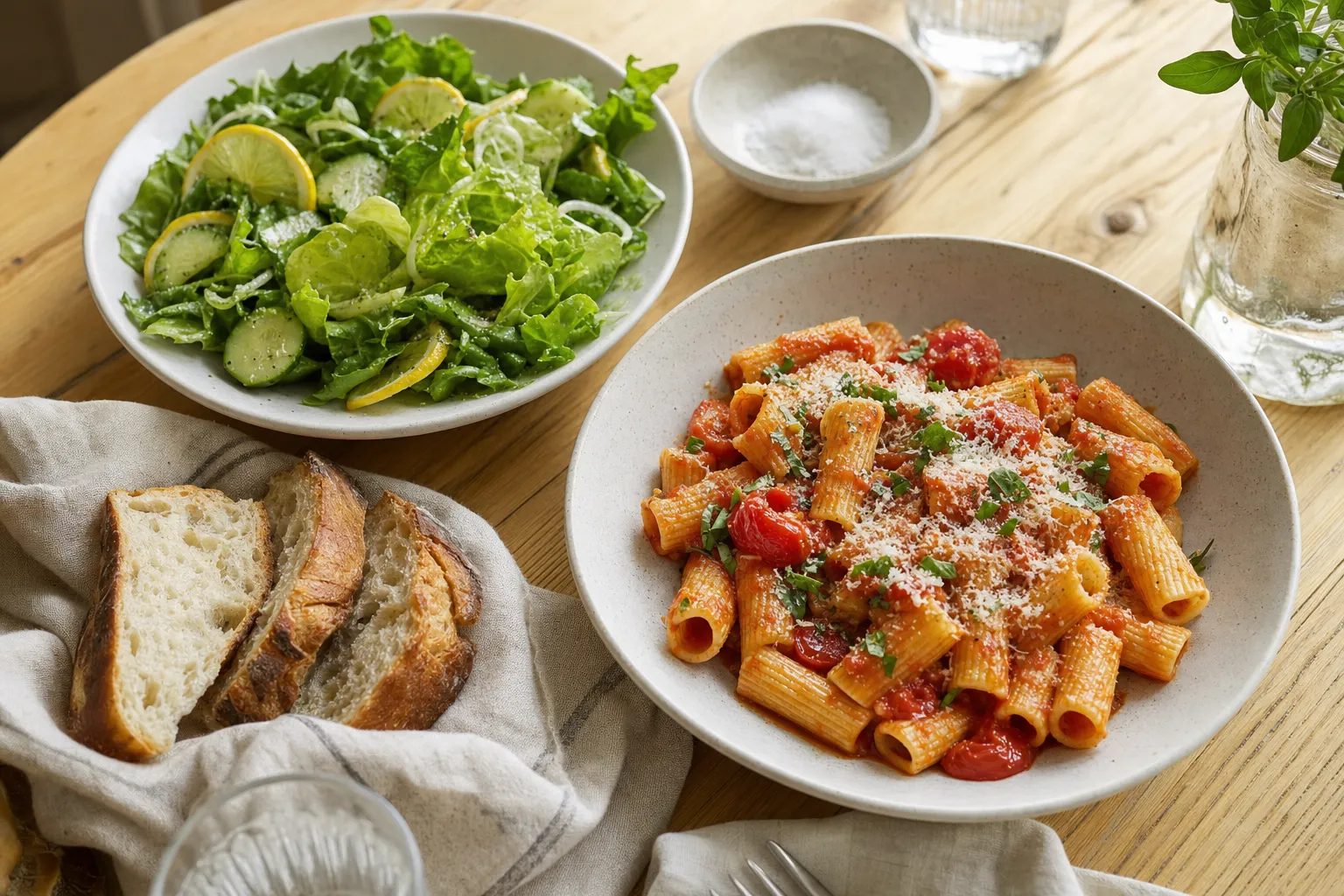
Side Dishes for Pasta: Easy Ideas for Dinner
Simple salads, vegetables and bread that make pasta night feel complete without turning dinner into a long project.
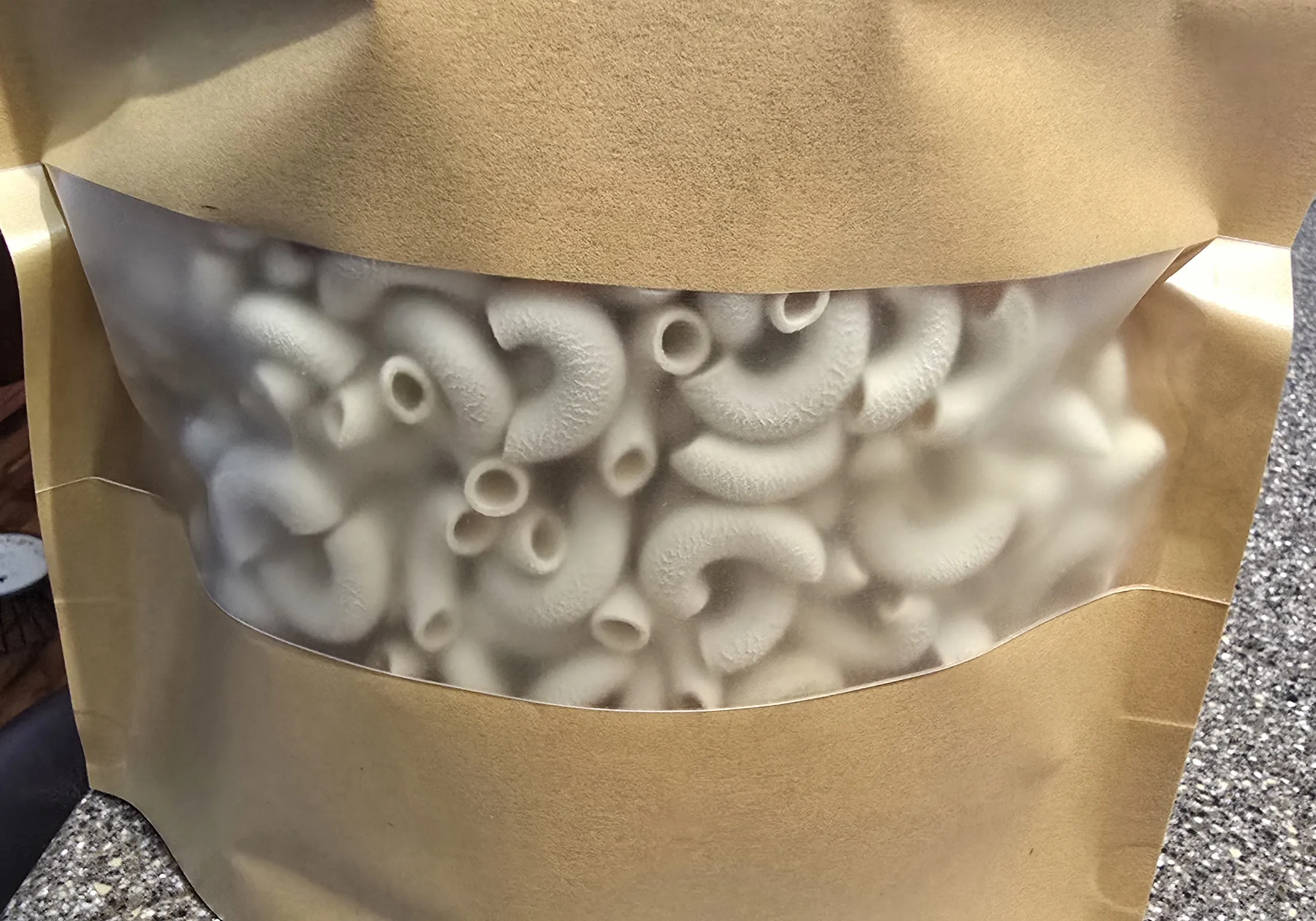
How Much Water for Pasta? A Simple Guide
Use enough water for pasta to move freely, then keep the rest of dinner simple with a few practical cooking cues.