Fresh pasta and dried pasta are not two versions of the same thing with one universal timer. They begin with different amounts of moisture, so they soften at very different speeds. Once you know what is in the pot, dinner gets much easier: use the package as your starting point, begin tasting at the right moment, and finish the pasta with the sauce instead of waiting for a magic number.
What changes in the pot, side by side
Both kinds of pasta deserve a large pot of generously salted water and a gentle stir soon after they go in. Beyond that, their rhythms diverge. Dried pasta begins rigid and needs time to loosen, bend, and cook through. It can tolerate a little more waiting while you finish chopping herbs or grate cheese. Fresh pasta begins soft. It needs only a quick bath, then it wants to be dressed and served.
That difference affects the water, too. Dried pasta spends longer in the pot and usually gives off enough starch to help a sauce become glossy when you add a splash of the cooking water. Fresh pasta can still benefit from its water, but because it cooks so quickly, the water may be less starchy. Keep the sauce loose enough to coat the pasta without depending on a large dose of pasta water to rescue it.
The same difference affects portions. Dried pasta is easy to weigh before cooking because it is compact and dry. Fresh pasta carries more water from the start and can look generous in a nest while weighing less than expected. If a recipe gives a weight, use the kind of pasta it specifies. If it does not, make a little more than you think you need rather than trying to convert by eye from a box of dry penne to a pile of fresh fettuccine.
One more practical distinction is storage. A shelf-stable dried pasta can wait in a cool, dry cupboard until the right night. Refrigerated fresh pasta follows its use-by date and needs cold storage. Homemade fresh pasta can be frozen, but it should go into the freezer in loose portions so the pieces do not become one frozen block. The choice is as much about how you shop and plan as it is about what happens at the stove.
How to finish each kind with sauce
For dried pasta, begin warming the sauce when the pasta has a few minutes left. Lift the pasta from the water just shy of done, add it to the skillet, and toss with a small splash of cooking water. Let it finish for a minute or two over low heat. This gives the sauce a chance to settle into the ridges, twists, and curves instead of pooling underneath the pasta.
For fresh pasta, have the sauce ready before you add the noodles. Drain or lift the pasta as soon as it is tender, then toss it gently in the waiting sauce. Fresh pasta does not need much extra time in the pan. The goal is to coat it without losing the delicate texture you chose it for. If the sauce is very thick, loosen it first with a little water, stock, or cream so the pasta does not need to be overworked.
If the sauce is a long-simmered meat sauce, a chunky vegetable sauce, or something you will bake, dried pasta is often the less fussy choice. Its firmer structure gives you more room to finish the dish. If dinner is a delicate butter sauce, a brief tomato sauce, or a filled pasta where the texture is the main attraction, fresh pasta can be exactly right. The sauce does not impose a hard rule, but it can tell you which option will be easier to cook well.
Troubleshooting a pasta dinner before it goes wrong
The pasta is sticking together. Make sure there is enough water for the amount of pasta and stir during the first minute, when the surface starch is most likely to make pieces cling. Do not add oil to the water as a cure. It can make the pasta slick, which makes it harder for the sauce to hold on later.
The pasta tastes soft outside but firm in the middle. Give it another minute, then taste again. Dried pasta can need more time than expected if the water dropped well below a boil after you added it or the pot is too crowded. Keep the water moving and resist the urge to drain based on a timer alone.
The pasta is done before the sauce. This happens most often with fresh pasta. Drain it and toss it with a tiny bit of butter or oil only if you need to hold it for a very short moment, then fold in the sauce as soon as it is ready. Better yet, reverse the order next time: finish the sauce first, then cook the fresh pasta.
The sauce slides off. Save some cooking water before draining and toss the pasta with the sauce over gentle heat. The combination of starch and movement helps the sauce cling. Rinsing warm pasta removes the surface starch that helps this happen, so skip the rinse unless you are deliberately cooling pasta for a salad.
The pasta is overdone. There is no perfect rescue, but a quick move into a thick sauce can make it feel less obvious than serving it plain. For the next batch, start tasting earlier and remember that a hot sauce or oven will continue to cook the pasta after it leaves the water.
A small plan for an easier pasta night
Before you fill the pot, make three decisions: which pasta you have, what sauce it will meet, and when everyone is likely to sit down. With dried pasta, you can start the water, warm the sauce while it cooks, and use the final minutes to set the table. With fresh pasta, complete the sauce and the table first, then put the pasta in last. That order removes the false urgency that makes pasta overcook.
Keep a small bowl or measuring cup by the stove for cooking water. Taste the pasta before draining, even if you have made the same shape before. Then reserve the water, move the pasta directly to its sauce, and toss gently. It is a short routine, but it lets both fresh and dried pasta do what they are meant to do: give you a dinner that feels calm, well-made, and ready when you are.
Think of the cooking time as a useful window, not a command. Different brands and shapes absorb water at different speeds, and no timer can taste the pasta for you. A quick taste near the end tells you more than an extra minute of guessing. When the pasta is tender with the bite you enjoy, it is ready to leave the water. That small check is especially useful when you are trying a new shape or cooking for guests.
The quick answer on cooking time
Fresh pasta is usually ready in a few minutes. Dried pasta needs longer because it has been dried hard for storage and must take on water again in the pot. A useful starting point is two to five minutes for fresh pasta and eight to twelve minutes for many dried shapes, but the package and your taste should make the final call.
That gap is why a weeknight can go sideways when the wrong pasta is treated like the other kind. Fresh ribbons can move from tender to overdone while you are setting the table. Dried rigatoni can still have a chalky center when a fresh-pasta timer says it ought to be ready. The fix is not a more complicated rule. It is knowing which pasta you bought and tasting it before you drain it.
King Arthur Baking notes that fresh pasta often needs two to five minutes, while an average box of dried pasta suggests about ten minutes. Barilla's fresh-versus-dry guide similarly puts many dried pastas around ten to twelve minutes. Those are sensible reference points, not instructions to ignore the shape in front of you.

Why fresh and dried pasta behave differently
Fresh pasta is made to be cooked soon after it is shaped, or kept refrigerated or frozen for a short time. It still contains a good deal of water. Many fresh doughs also include egg, which gives them a tender, rich feel. In boiling water, that soft dough needs only enough time to cook through and set. Thin fresh ribbons can be ready especially quickly.
Dried pasta has taken a longer journey before it reaches your cupboard. Its moisture has been reduced so it can stay shelf-stable. When it boils, water works its way back into the pasta from the outside in. That is why a sturdy dried tube or twist needs more time than a soft fresh ribbon. It is also why a broad estimate can be misleading: a thin dry spaghetti, a ridged penne and a thick, compact shape will not soften at the same pace.
Neither one is the “real” pasta while the other is merely a substitute. They have different jobs. Fresh pasta is lovely when its soft texture is part of the point. Dried durum-wheat semolina pasta has the firm bite and dependable pantry life that make an easy dinner possible without a last-minute grocery run.
Start with the label, then taste early
For dried pasta, the package is the best opening bid because it was written for that specific shape and thickness. Set a timer for two minutes before the lower end of the listed range. Stir after the pasta goes in, stir once or twice again as it returns to a steady boil, then taste a piece. You are looking for a center that is cooked, not brittle or floury, with as much bite as you enjoy.
For fresh pasta, stay nearby from the moment it goes into the water. Start tasting at about two minutes, or even earlier for very thin strands. A rolling boil is still useful, but fresh pieces are more delicate, so separate them gently rather than attacking the pot with a spoon. When they are tender and no longer doughy, drain them promptly and give them their sauce.
There is no prize for cooking pasta to the exact second printed on a screen. Salt level, pot size, water temperature, altitude, how crowded the pot is, and how long the pasta sat after opening can all nudge the result. A timer keeps you attentive. A taste tells you whether dinner is actually ready.
A simple timing guide for dried pasta
Use these ranges as a starting place, then follow your particular package and taste. Long, thin dried pasta may be ready near the shorter end. Short, ridged, or thicker shapes often need more time. If you are finishing pasta in a skillet of hot sauce, taste it just before it reaches your ideal texture and move it to the sauce with a splash of cooking water.
- Thin dried spaghetti or similar long pasta: often around 8 to 10 minutes.
- Short tubes and ridged shapes: often around 10 to 12 minutes.
- Very thick, wide, or compact shapes: may need 12 minutes or more.
- Dried filled pasta: follow the package closely, since filling and thickness change the timing.
The goal of “al dente” is not an uncooked white core or something you need to wrestle with. It means the pasta has a pleasant resistance when you bite it. For a saucy dinner, it is usually smarter to stop one small step before perfect because the pasta keeps softening as you toss it with the sauce. For a cold pasta salad, cook to the texture you want on the plate, then cool it promptly.
Our guide to pasta water can help if your pot feels crowded or your sauce is not clinging as you hoped. More water and an occasional stir give dry pasta room to move, which makes it less likely to stick into one stubborn clump.
Fresh pasta needs a different kind of attention
Fresh pasta rewards preparation. Have the sauce warm, the colander ready, and the people you are feeding within reach before the pasta touches the water. A sauce that needs another ten minutes is fine with dried pasta. It is awkward with fresh pasta that may be ready in three.
Fresh ribbons, cut pasta, and delicate filled shapes do well with sauces that can meet them immediately. Butter, olive oil, cream, a quick tomato sauce, or a sauce already waiting in a skillet are practical choices. Toss gently and serve. If a recipe calls for the pasta to spend a long time in the oven or to simmer in a thick sauce, use the pasta type it specifies instead of assuming fresh and dry will perform the same way.
Fresh pasta does not need to be treated with fear. It simply has a shorter window. Taste one piece, take it out when it is tender, and remember that it will continue to soften for a moment after draining. If you are making dinner for a group, cook it in manageable batches rather than trying to crowd every nest or ribbon into a small pot.
Choose the pasta that suits the meal
Choose dried pasta when you want structure, pantry convenience, or a shape that can stand up to a hearty sauce, a baked dish, or tomorrow's lunch. It is a calm option for a weeknight because it waits in the cupboard until you need it. A sturdy ridged shape can catch a chunky tomato sauce; a twist can hold onto pesto; a long strand can turn a simple garlic-and-oil dinner into something satisfying.
Choose fresh pasta when you want a tender, softer bite and you can cook it just before serving. It is especially good for a meal built around the pasta itself, such as fresh tagliatelle with butter and cheese or a delicate filled pasta with a simple sauce. This is a choice about the result you want, not a quality contest.
For homemade pasta, your drying decision matters too. Pasta cooked right after shaping behaves more like fresh pasta. Pasta dried fully for storage behaves more like other dried pasta. When you are unsure, cook one piece first. It is the simplest way to learn how that particular batch responds.
Avoid the three most common timing mistakes
Starting the timer before the water returns to a boil. Adding pasta cools the pot. Start paying close attention once the water is actively bubbling again, especially when the pot is full.
Trusting a generic chart over the package. Charts are helpful for orientation, but they cannot account for every brand, thickness, or shape. Let the label set the range, then taste.
Draining pasta before the sauce is ready. Dry pasta can wait a brief moment, but it still clumps and cools if it sits. Fresh pasta waits even less patiently. Make the sauce first, reserve a cup of cooking water, then move the pasta straight into the pan.
That last habit is the quiet upgrade that makes a simple dinner feel intentional. Use tongs or a spider to bring pasta into the sauce, add a small splash of cooking water, and toss over gentle heat. The pasta finishes where it will be eaten, and the sauce has a chance to coat every piece.
Put a good dried pasta night on the calendar
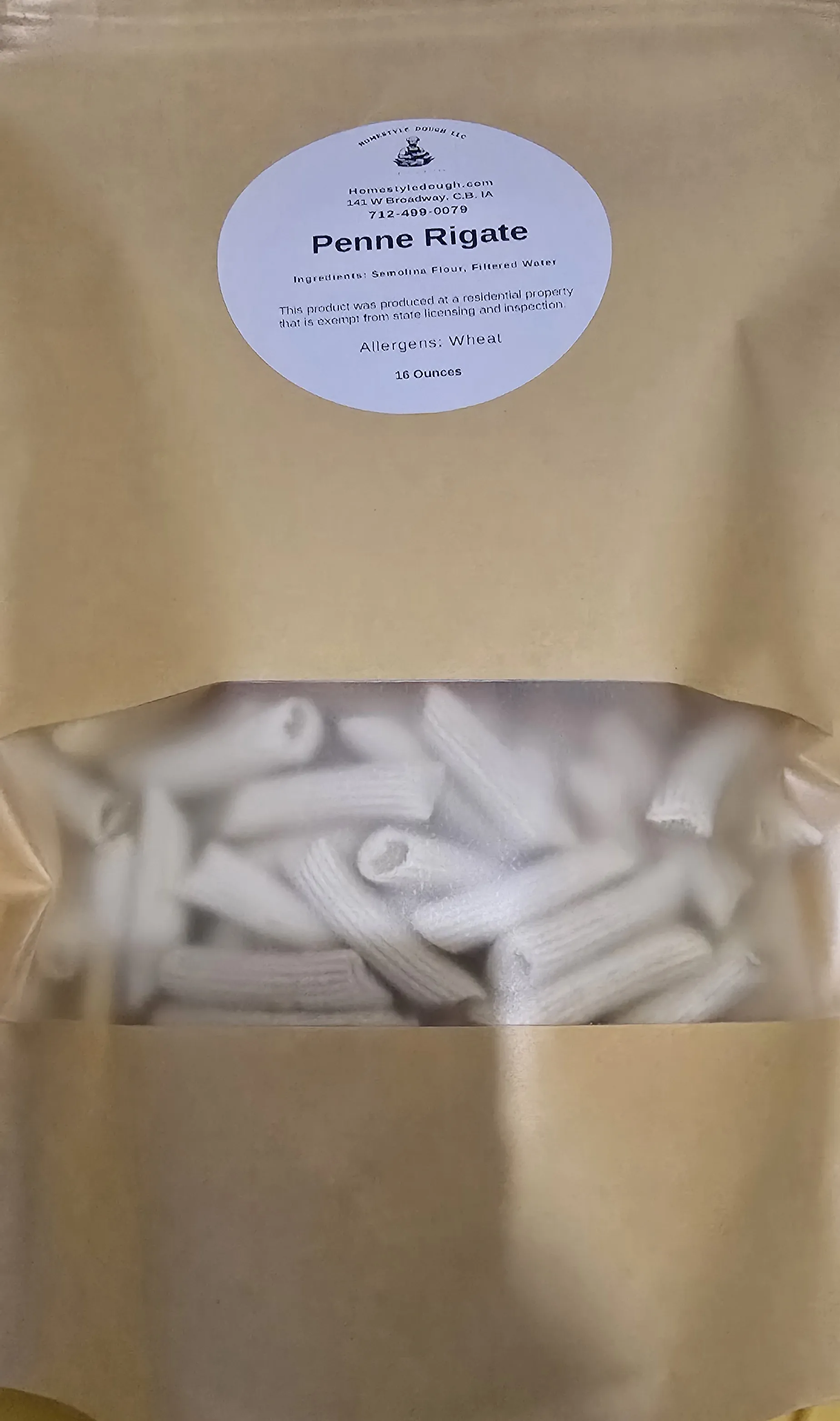
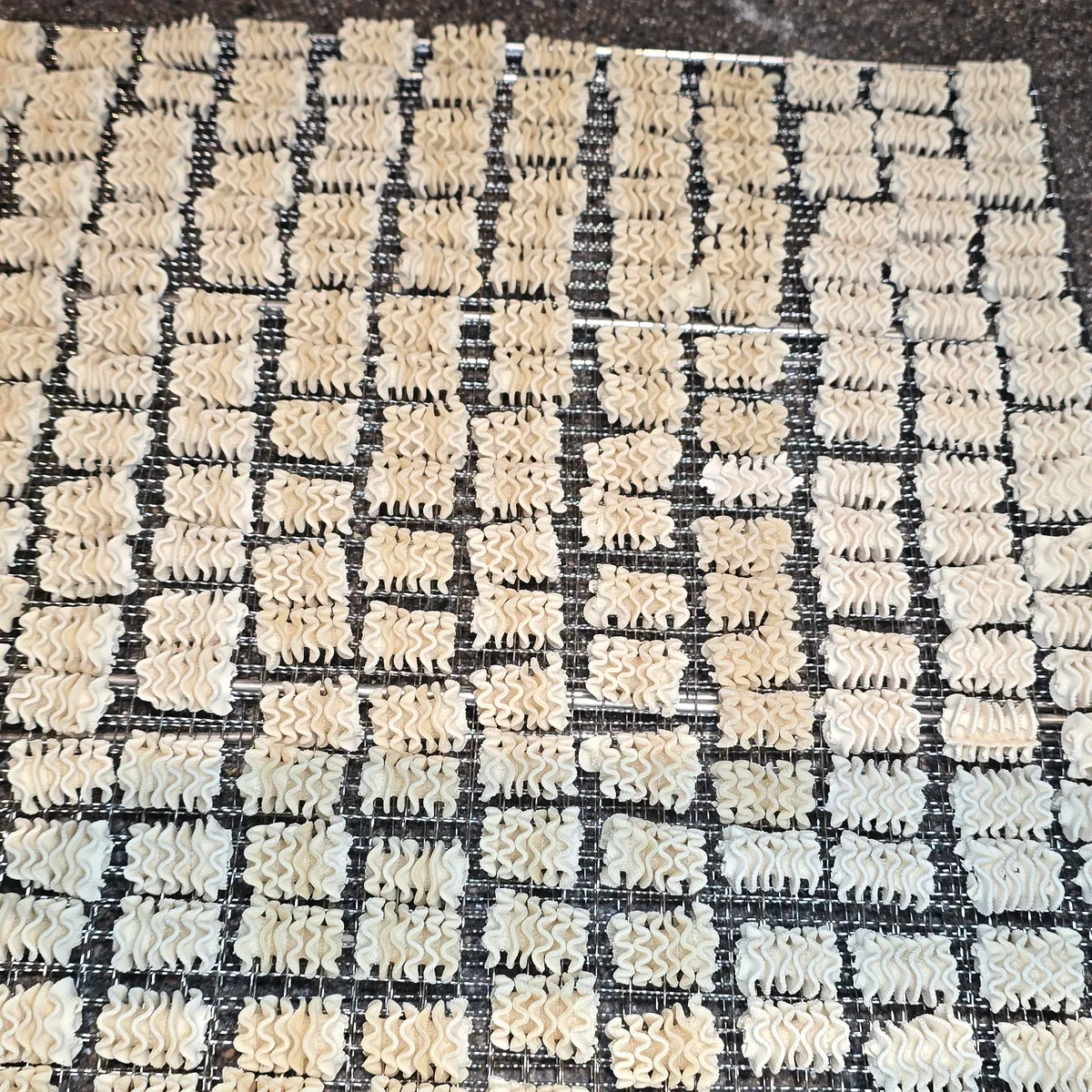
Homestyle Dough makes dried, shelf-stable 100% semolina pasta for the nights when you want more than an emergency meal but do not want to start from scratch. The current handmade pasta collection includes shapes such as Maccheroni Rigati, Penne Rigate, spaghetti, Radiatori and Caserecce, so you can choose a shape that fits the sauce and the mood.
If you are planning portions for a table of two or ten, use our pasta-per-person guide before you put on the water. If the menu still needs a little help, these easy side dishes for pasta keep the rest of the table simple. Then browse the shop when you are ready to add pasta, bread, or a treat to a made-to-order dinner.
The takeaway
Fresh pasta usually needs only a few minutes. Dried pasta needs longer because it has to rehydrate, and its exact timing depends on the shape. Begin with the package, taste early, save a little cooking water, and finish the pasta in a ready sauce. That is enough to make either kind feel right at home on the table.
Frequently asked questions
Does fresh pasta cook faster than dried pasta?
Usually, yes. Fresh pasta commonly cooks in about two to five minutes, while dried pasta often needs roughly eight to twelve minutes. The exact time depends on thickness, shape, how dry the pasta is, and the brand, so taste is more useful than treating either range as a guarantee.
How do I know when dried pasta is done?
Start tasting a piece a minute or two before the package time. It should be tender enough to eat while still having a little resistance in the center. If it will finish in hot sauce, pull it just before your preferred texture so it does not go soft.
Can I use fresh pasta instead of dried pasta?
Often, but not as a straight time-for-time swap. Fresh pasta cooks much faster and is usually more delicate, so add it close to serving time. For baked dishes, soups, and long-simmered sauces, follow a recipe written for the kind of pasta you have whenever possible.
Does handmade dried semolina pasta cook like refrigerated fresh pasta?
No. Homestyle Dough pasta is dried, shelf-stable semolina pasta, not refrigerated fresh pasta. Treat it as dried pasta: use the package directions as a guide, keep it moving in boiling water, and taste before draining.
Should I rinse pasta after cooking?
For a warm sauce, no. The light starch on cooked pasta helps sauce cling. Rinsing is useful only when a recipe specifically calls for cooled pasta, such as a pasta salad, or when you need to stop cooking immediately.
Related posts
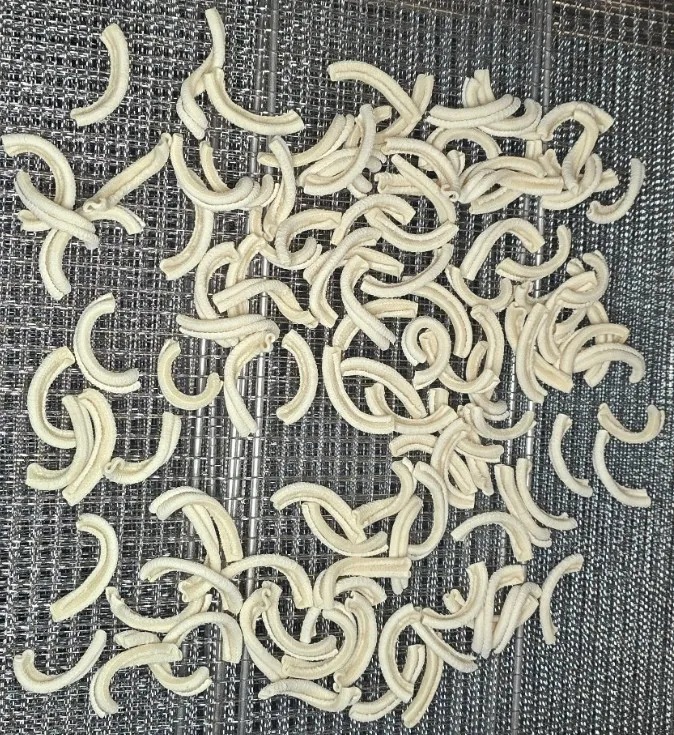
Best Sauces for Casarecce Pasta: A Simple Guide
Choose a sauce that settles into casarecce’s twists, then cook and finish this short pasta for an easy, satisfying dinner.

Easy Pasta Night Ideas for Any Weeknight
A few low-fuss ways to turn handmade semolina pasta, a good sauce and simple sides into a dinner worth sitting down for.
Does Dry Pasta Expire? What to Know Before You Cook It
A practical guide to dry pasta dates, pantry storage and the signs that tell you when a package is not worth using.
How Much Pasta Per Person? A Simple Guide
Plan a pasta dinner without guesswork, from a weeknight meal for two to a generous table for family and friends.