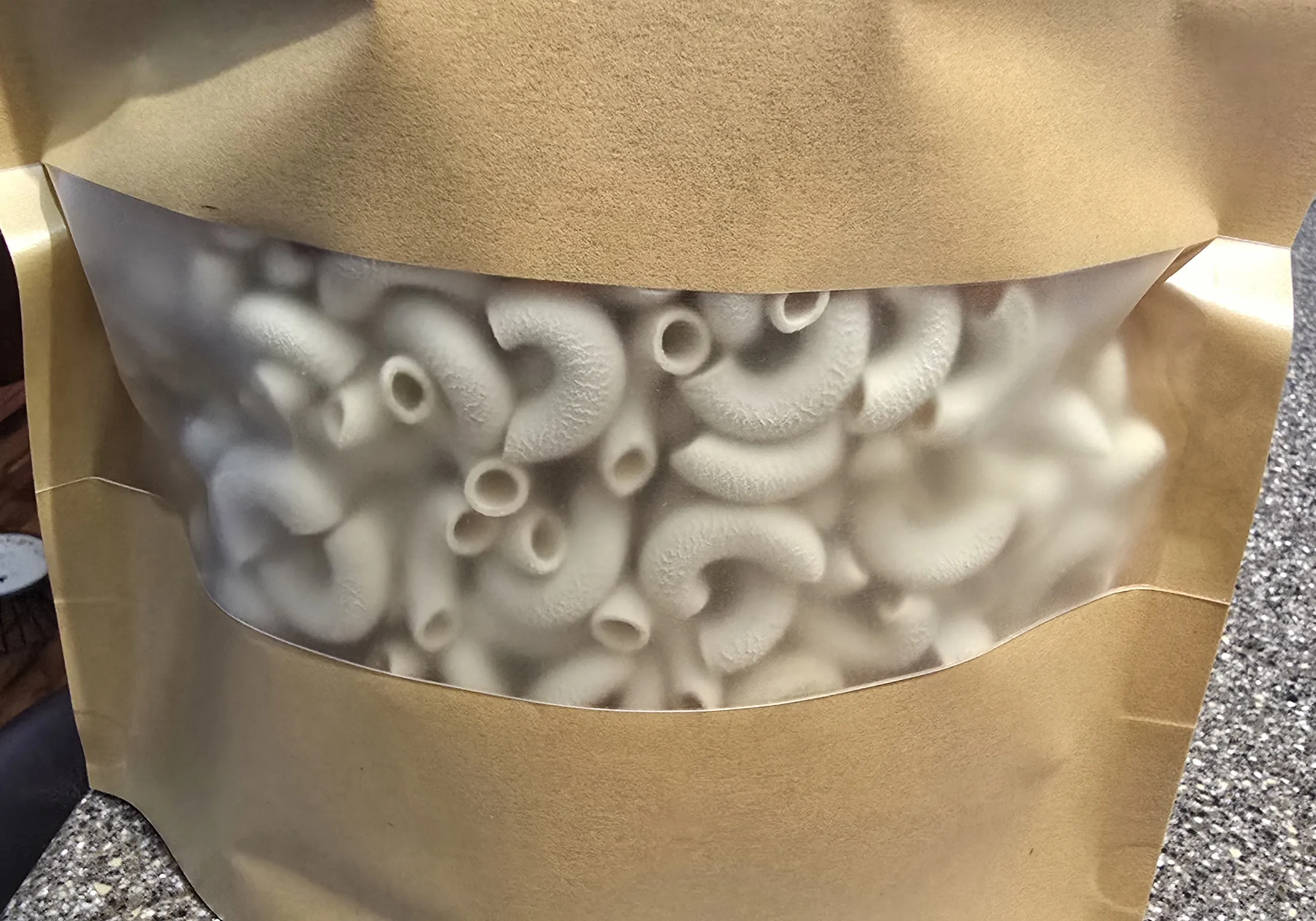
For most pasta dinners, you do not need to measure water with laboratory precision. You do need a pot that gives the pasta room to move, enough water to cover it well, and a little attention during the first few minutes. Get those parts right and a simple box or bag of dried pasta becomes much easier to cook with confidence.
Start with a pot that gives pasta room
The easiest answer is this: use enough water to comfortably cover the pasta and give it a little room to move. For a full one-pound package of dried pasta, a large pot in the 8 to 12 quart range, filled about three-quarters full, is a dependable everyday setup. That is the same practical starting point recommended in Barilla’s pasta cooking guide.
You do not need to pull out a measuring jug every time dinner is on the stove. Look at the pot instead. Long pasta should be able to soften into the water without cramming the top. Short shapes should sit well below the waterline. When the water returns to a boil, the pasta should have enough space to bob and separate when you stir it.
For a smaller dinner, use a smaller pot and less water. A half-pound of pasta does not require the largest pot in the kitchen. What matters more than a fixed number is proportion. Use a pot that is large enough for the pasta, water and bubbling movement, with a few inches left at the top so the water does not slosh over when the boil gets enthusiastic.
That little bit of headroom matters on a busy night. It gives you time to stir, taste the pasta and finish the sauce without watching a pot boil over while you answer the door or help with homework. A good pasta dinner should feel manageable from the first pot of water onward.
Use less water when it makes the meal easier
The generous-pot method is forgiving, but it is not the only method that works. For shorter pasta shapes, you can use less water, provided the pasta stays covered and you stir early. Less water comes to a boil faster and creates a more concentrated, starchier cooking liquid. That can be useful when the sauce needs a little help coming together.
A smaller amount of water is especially practical when you are making a quick skillet sauce. Think tomato sauce, browned butter, a simple garlic and olive oil situation, or a creamy sauce that needs loosening without becoming thin. You still want a pot large enough to stir comfortably, but you do not have to follow a rigid rule if your pasta is fully submerged and not sticking together.
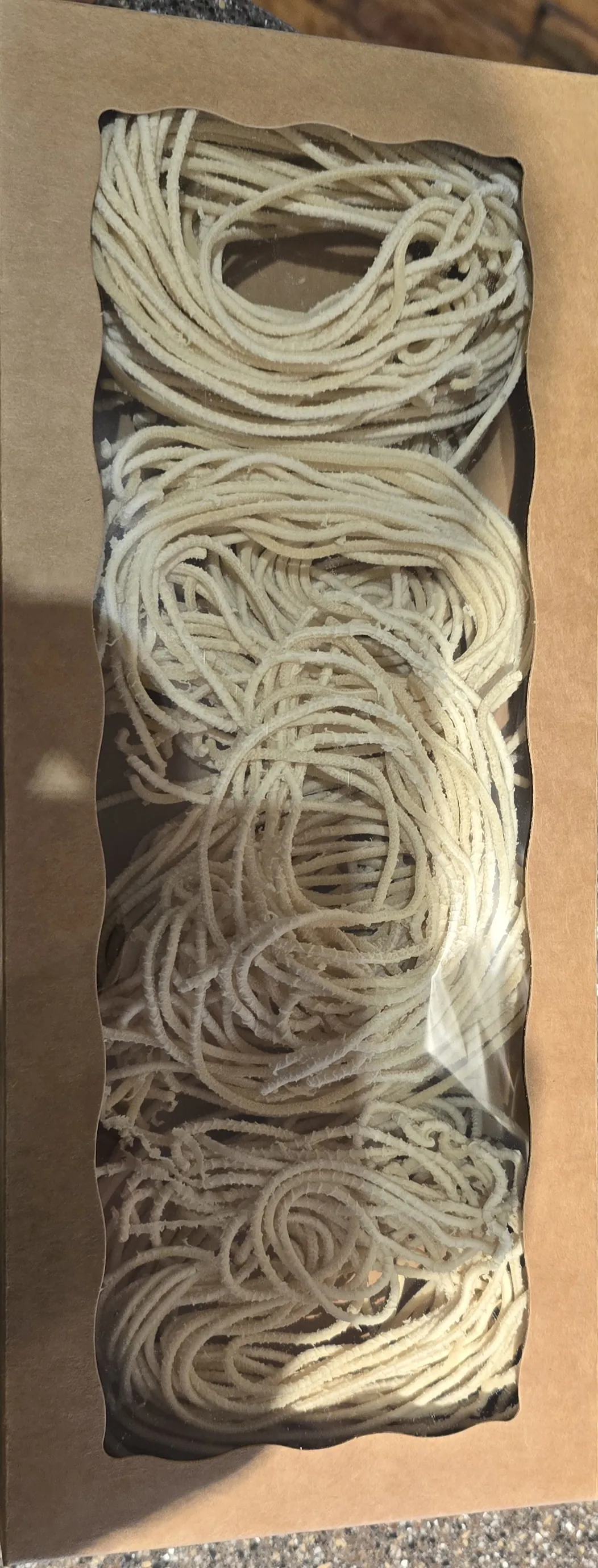
Long noodles deserve a little more room. Spaghetti, fettuccine and other long shapes need space to soften and bend into the pot before they are fully underwater. Choose a taller pot when you can. Let the bottom ends soften for a few seconds, then gently press the rest down with tongs or a spoon. Do not snap long pasta just to make it fit. A roomy pot makes that unnecessary.
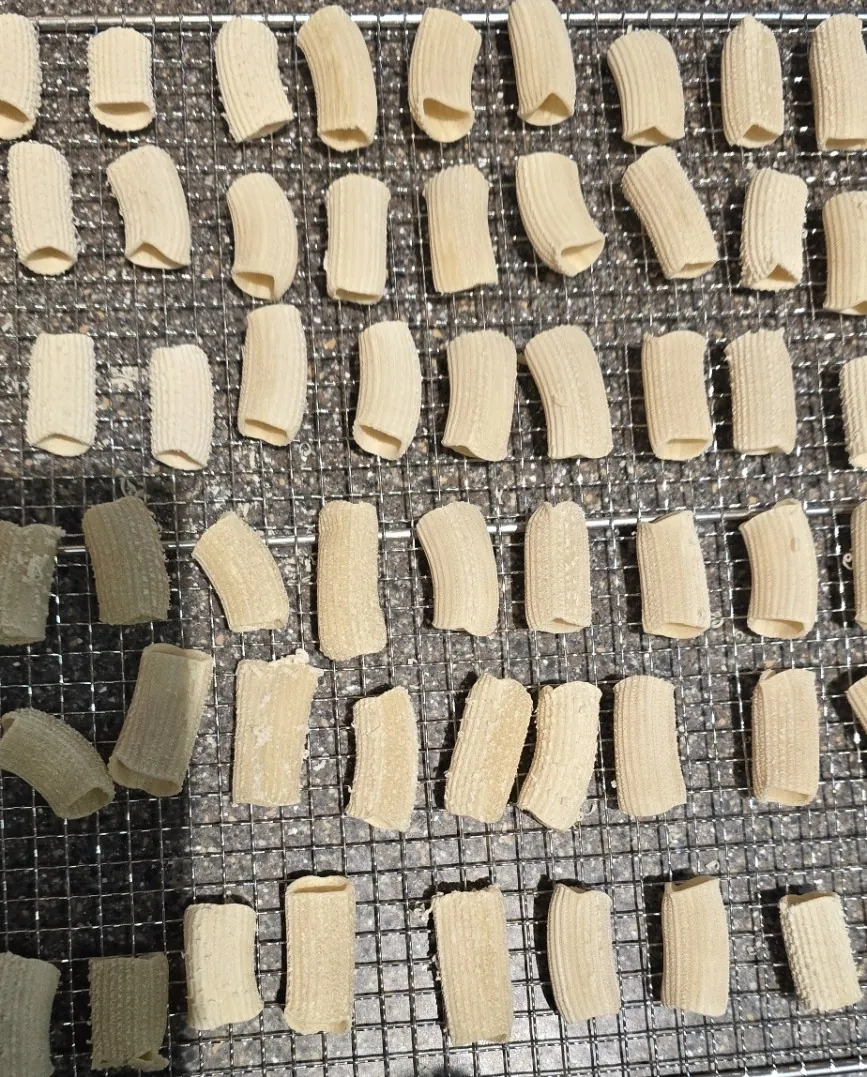
For sturdy ridged shapes such as the one-pound semolina pasta package, use enough water that the pieces are not piled tightly at the surface. Those shapes are meant to hold hearty sauce, and they cook best when they can move freely instead of forming one starchy clump at the bottom of the pot.
Wait for a steady boil, then stir right away
Bring the water to a real rolling boil before adding dried pasta. You should see bubbles rising across the surface, not only a few at the edge of the pot. Once the pasta goes in, the water will calm down for a moment. That is normal. Keep the heat up and let it return to a gentle boil while you stir.
The first two minutes are where most sticking happens. Stir once when the pasta first goes in, then again after a minute or so. Use a long spoon, tongs or a pasta fork, depending on the shape. The goal is simple: separate any pieces that want to settle together while their surface starch is at its stickiest.
Skip the oil in the water. It does not prevent pasta from sticking in the meaningful way people hope, and it can leave the finished pasta a little too slick for sauce to grab. A quick early stir does the useful work. Save the olive oil for the pan where it can bring flavor to garlic, herbs, vegetables or the finished dish.
Salt is a flavor decision, not a reason to make dinner stressful. Add a sensible pinch to boiling water, then taste and season the sauce as well. Different salts measure differently by spoon, and sauces, cheese and cured ingredients can all add salt later. Pasta water should help season the noodles, not turn the whole meal briny.
Let the package guide the cooking time
Water amount helps pasta cook evenly, but timing tells you when dinner is ready. Start with the cooking range on the package, then taste a piece a minute or two before the earliest suggested time. Dried pasta often needs around 10 to 12 minutes, but the shape, thickness and style matter. Barilla’s dry-pasta guidance makes the same point: use the package as your starting point and taste before the clock runs out.
Look for pasta that is tender all the way through but still has a pleasant bit of resistance in the center. It should not taste chalky or hard. It also should not collapse into a soft, swollen bite. That middle point is what people mean when they say al dente, and it is easier to recognize by tasting than by trying to hit an exact minute on every shape.
When pasta is headed straight into a hot sauce, drain it just before it reaches the texture you want. It will keep cooking for a short time as you toss it in the skillet. That is especially useful for a weeknight meal where the pasta and sauce need a minute together to become one dinner instead of two separate parts on a plate.
If you are using pasta in a baked dish, stop even earlier. The oven will do more cooking. If you are making cold pasta salad, cook it to the texture you want to eat chilled, then follow your recipe’s instructions for cooling. Most warm pasta dinners do not need a rinse after draining because that surface starch helps sauce cling.
Save the cloudy water before you drain
The most useful cup in the kitchen is often the one you save from the pasta pot. Right before draining, scoop out one or two cups of the cloudy cooking water. That cloudiness is starch, and it can help bring a sauce and pasta together instead of leaving a puddle at the bottom of the bowl.
Keep the amount simple. You do not need to save the whole pot. Barilla suggests reserving one to two cups, which is more than enough for most home dinners. Set the cup near the stove before the pasta is done, so you do not remember after the colander has already taken all the water away.
Warm your sauce in a wide skillet while the pasta finishes. Transfer the pasta directly into the sauce, add a splash of cooking water and toss. Add more only when the sauce needs it. The right amount is not a number. It is the point where the sauce turns glossy, loosens enough to coat the noodles, and clings instead of sliding off.
This small step can improve a jarred sauce just as much as a sauce made from scratch. It is also one of the easiest ways to make a simple pantry dinner feel more considered. Pair your pasta with one of the easy side dishes for pasta, and dinner does not need many more moving parts.
Match the pasta, sauce and evening you have
The best pasta routine is the one you will actually use. On a quick weeknight, put a pot of water on first, warm a favorite sauce, and make one fresh side while the pasta cooks. The easy pasta night guide has a few simple ways to keep that plan from turning into a bigger project.
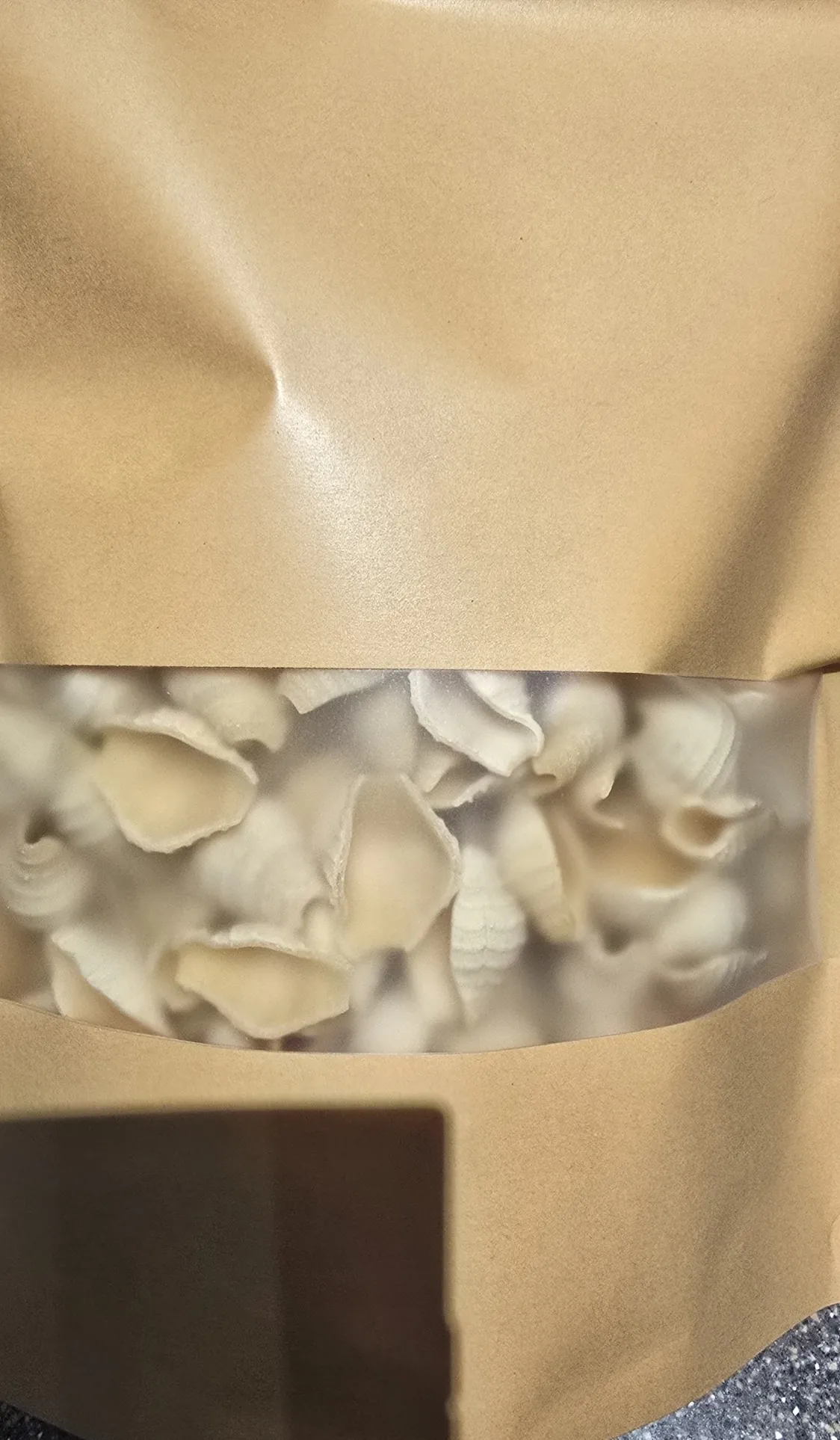
For a heartier meal, choose a shape that gives the sauce something to hold on to. Ridged tubes and shells are good with thick tomato sauces, roasted vegetables and sausage. Long noodles are lovely with lighter sauces, olive oil, pesto or a quick lemon and cheese finish. You can also use the pasta portions guide to decide how much to cook before the water starts boiling.
Homestyle Dough makes handmade semolina pasta for the kind of dinner that deserves a little more than a last-minute compromise. The pasta is shelf-stable, easy to keep in the pantry and made for sauces that need a sturdy shape. Browse the current handmade semolina pasta selection, then add a loaf of sourdough focaccia when the meal needs something warm for the table.
A simple pasta-water checklist
When dinner feels rushed, come back to the basics. Choose a pot that fits the amount of pasta. Add enough water to cover it and leave room at the top. Wait for a rolling boil. Stir during the first couple of minutes. Taste the pasta before the package time runs out. Save a cup of cooking water. Finish the pasta in its sauce instead of treating the two as strangers.
That is the whole routine. You do not need an elaborate system or an oversized pot for every dinner. A little space, a little stirring and one saved cup of water are often enough to turn dried pasta into the kind of meal everyone is happy to sit down for. For more pantry help, see how to store dry pasta, or browse the full Homestyle Dough shop for pasta, bread and made-to-order treats.
Frequently asked questions
How much water should I use for one pound of pasta?
A large 8 to 12 quart pot filled about three-quarters full is a reliable starting point for one pound of dried pasta. The important part is giving the pasta room to move and making sure it stays covered as it cooks.
Can I use less water to cook pasta?
Yes, especially for shorter shapes, as long as the pasta stays covered and you stir it well during the first few minutes. A smaller amount of water makes starchier cooking water, which can be useful when you finish pasta in a sauce.
Should I add oil to pasta water?
No. Oil floats on the water and does not solve sticking. Stir the pasta soon after adding it instead. Saving oil for the sauce or the finished dish also helps the sauce cling to the pasta.
When should I save pasta water?
Scoop out one or two cups shortly before you drain the pasta. Add it a little at a time to the sauce while tossing the pasta, just until the sauce looks glossy and clings well.
Do I need to rinse pasta after draining it?
Usually, no. The starch left on the pasta helps a warm sauce hold on. Rinsing is most useful when a recipe specifically calls for cooling pasta, such as some pasta salads.
Related posts
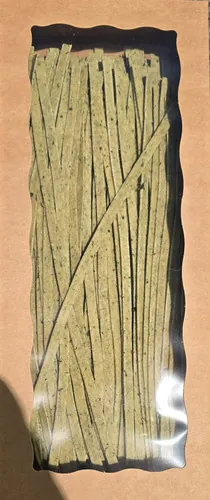
Easy Pasta Night Ideas for Any Weeknight
A few low-fuss ways to turn handmade semolina pasta, a good sauce and simple sides into a dinner worth sitting down for.
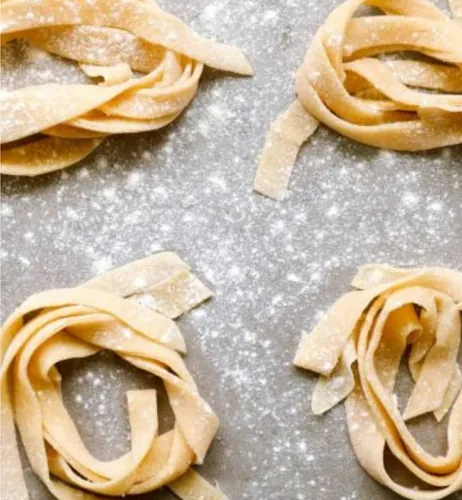
Does Dry Pasta Expire? What to Know Before You Cook It
A practical guide to dry pasta dates, pantry storage and the signs that tell you when a package is not worth using.
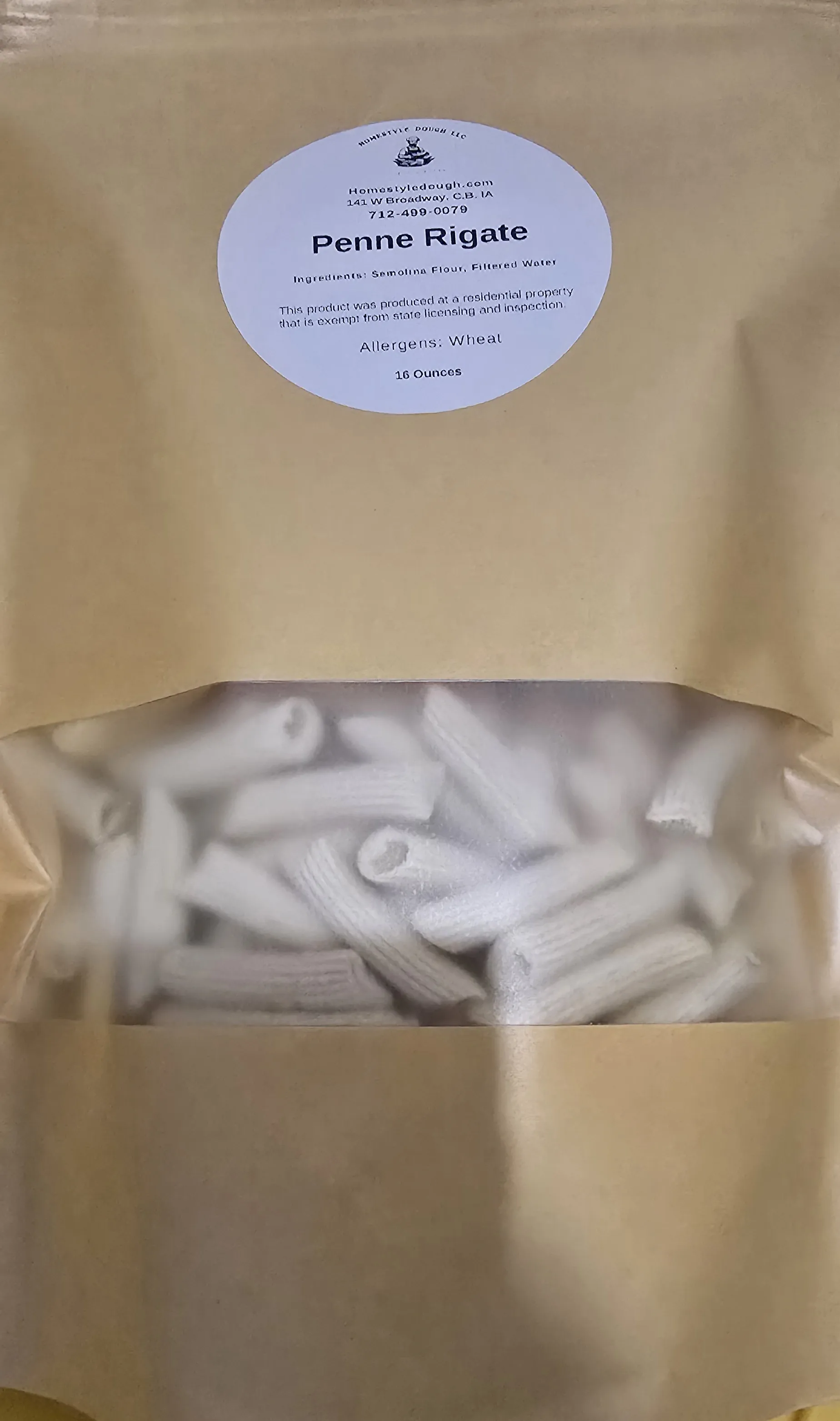
How Much Pasta Per Person? A Simple Guide
Plan a pasta dinner without guesswork, from a weeknight meal for two to a generous table for family and friends.
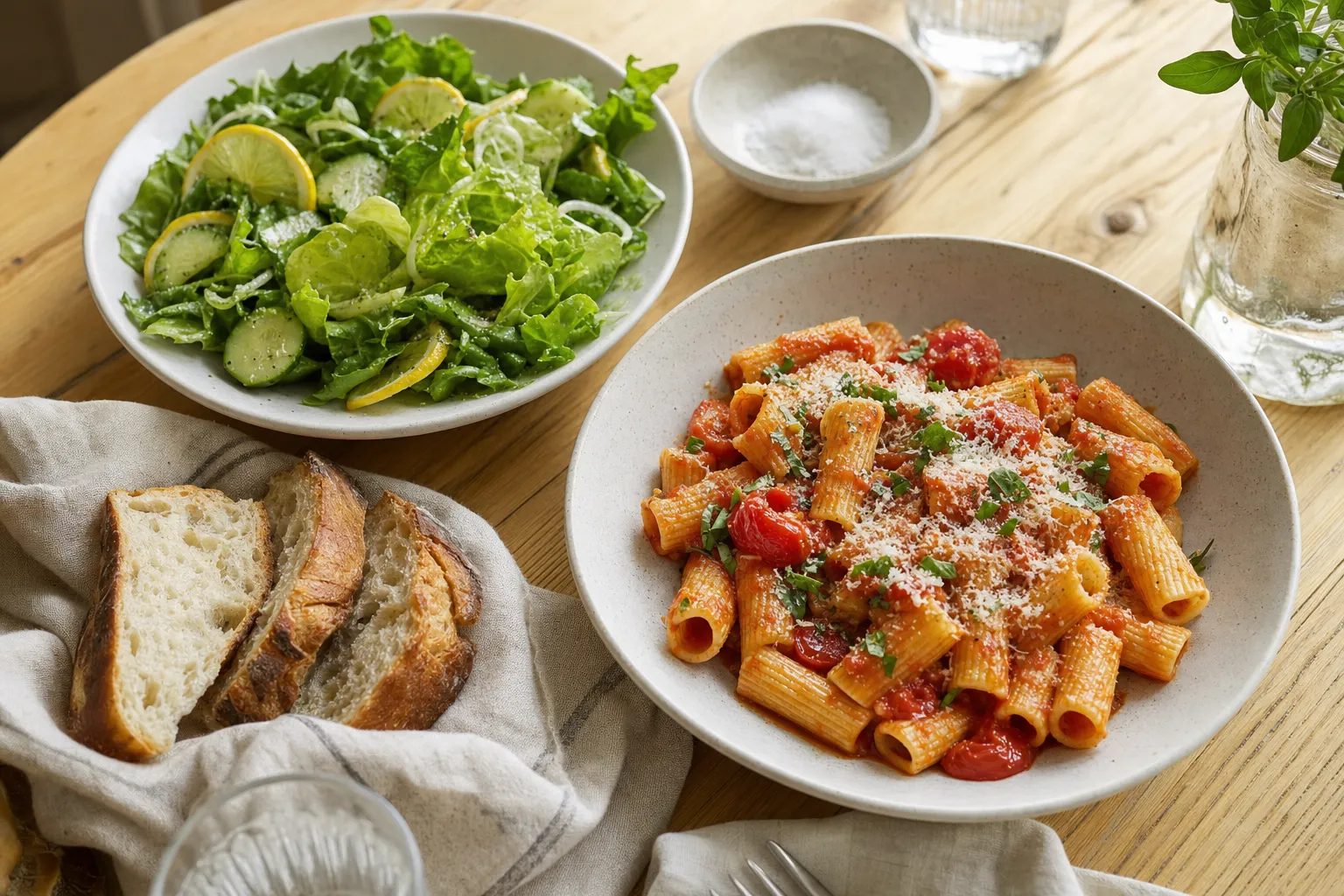
Side Dishes for Pasta: Easy Ideas for Dinner
Simple salads, vegetables and bread that make pasta night feel complete without turning dinner into a long project.