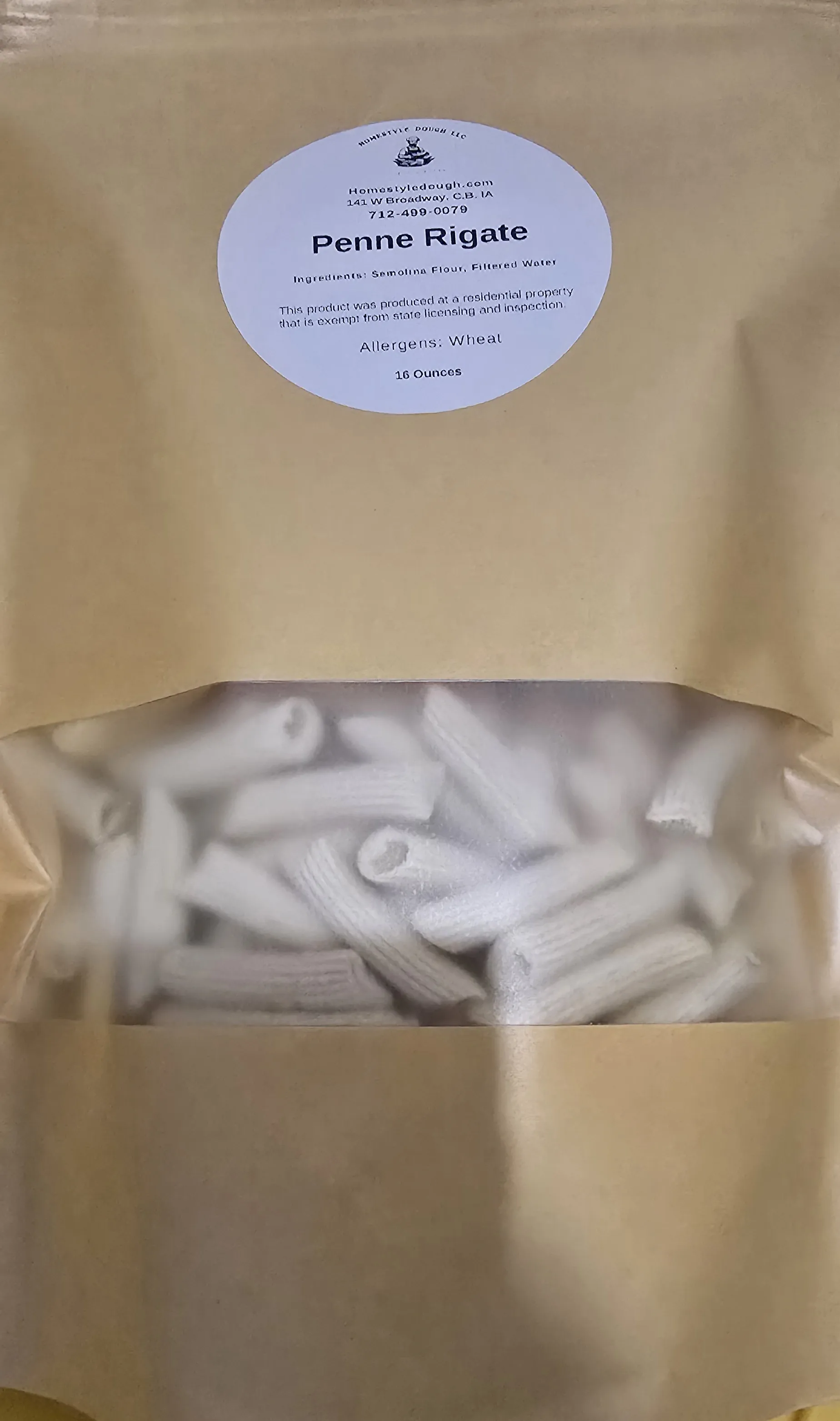
Pasta is easy until you are standing over a large pot wondering whether one package is enough for everyone. The most useful answer is simple: start with 2 ounces of dry pasta per person for a main course, then adjust for the meal, the people at the table and the shape in your hand.
Start with 2 ounces of dry pasta for a main course
For most pasta dinners, 2 ounces of dry pasta per adult is a dependable starting point. It is enough for a satisfying bowl once sauce, cheese, vegetables or a protein join it. It also makes the arithmetic blessedly simple: 4 ounces for two people, 8 ounces for four, 12 ounces for six and 16 ounces, or one pound, for eight.
This is a kitchen planning guide, not a rule that needs defending at the table. People who worked through a long day, growing teenagers and guests who are very much there for the pasta may want more. A lighter dinner with salad, bread and dessert may need less. The point is to begin with a sensible amount instead of cooking an entire package by reflex.
It is also the portion used in Barilla's dry-pasta serving guide, which usefully notes that cup measures and cooked yield change by shape. Use the package serving information as one clue, then plan for the meal you are actually serving.
A quick pasta portion chart
Use this chart for dry pasta when it is the main part of dinner. A kitchen scale gives the cleanest answer, especially for short shapes. Once you have weighed a few portions, your favorite bowl or scoop will become a useful visual shortcut.
- 1 person: 2 ounces dry pasta
- 2 people: 4 ounces dry pasta
- 4 people: 8 ounces dry pasta, or half a pound
- 6 people: 12 ounces dry pasta
- 8 people: 16 ounces dry pasta, or one pound
- 10 people: 20 ounces dry pasta, or 1¼ pounds
- 12 people: 24 ounces dry pasta, or 1½ pounds
When you are hosting, make the portion decision before the water boils. Weigh the pasta into a bowl, then put the rest away. It keeps the meal calm and makes it easier to save a little extra for the next day without accidentally preparing enough for a small neighborhood.
For a concrete long-pasta reference, Iowa State University Extension notes that 2 ounces of dry spaghetti yields about 1 cup cooked, and a pound makes eight 2-ounce portions. That is a helpful spaghetti guide, not a universal cup conversion for every shape.
When pasta is a side dish, use a little less
If pasta is beside chicken, meatballs, seafood or a generous roasted vegetable, plan closer to 1 to 1½ ounces of dry pasta per person. For four people, that is 4 to 6 ounces. It leaves room on the plate for the rest of the meal while still giving everyone a real serving.
This is especially helpful with rich mains or a table that starts with bread and a salad. A light lemony pasta beside grilled chicken needs a different amount than a large bowl of rigatoni in a slow-simmered sauce. In both cases, the dry weight gives you a calmer way to plan than guessing from the size of the pot.
For a buffet, potluck or holiday spread, people often take smaller first portions because there are more dishes to try. Start at 1½ ounces per guest, then add a little more when you know pasta will be the most popular dish. Hosting is not the moment to chase a perfect formula. It is the moment to make enough that people can have seconds without turning leftovers into a three-day obligation.
Use weight, not cups, for the clearest answer
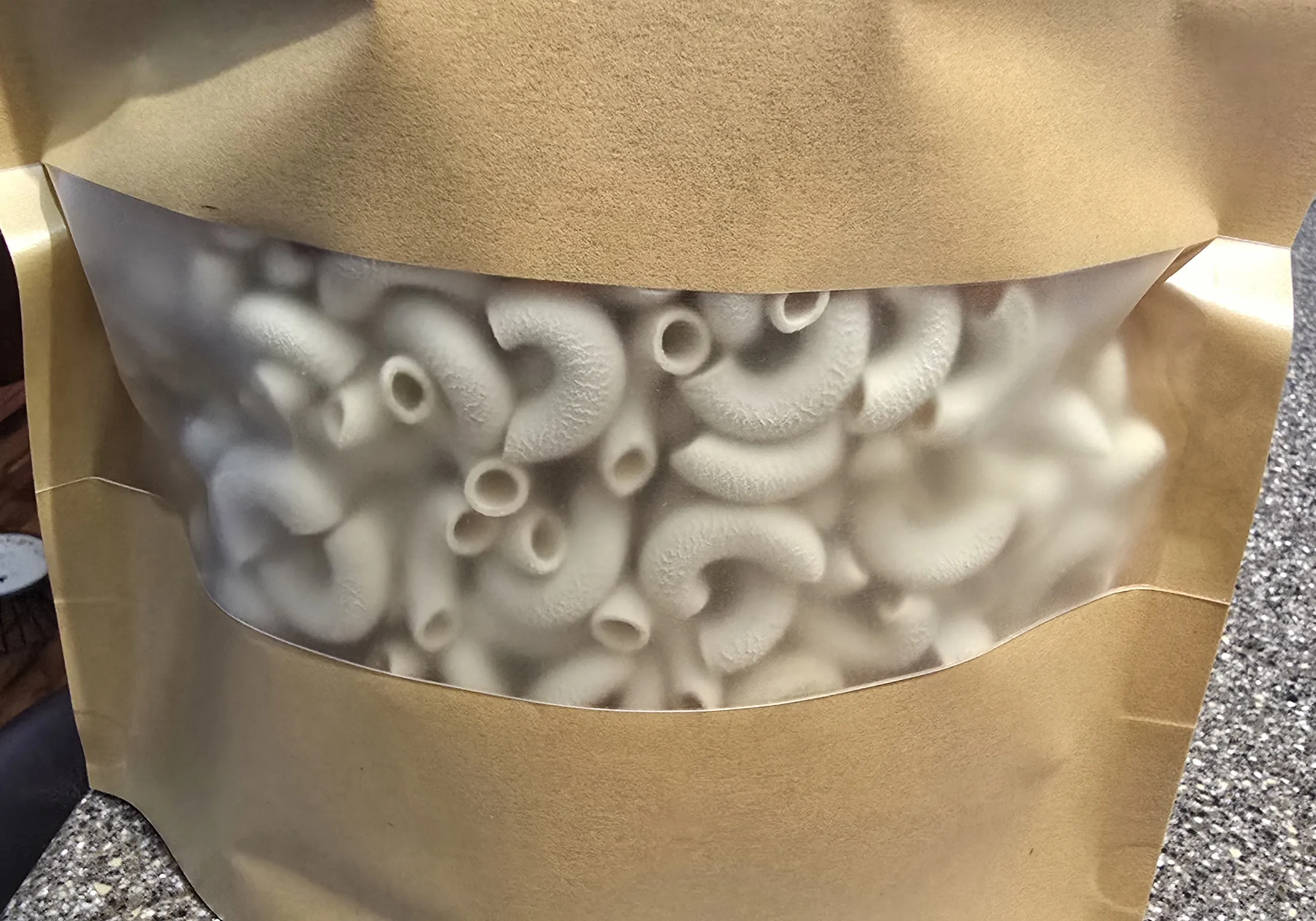
Dry pasta shapes do not fill a cup in the same way. A cup of tiny elbows holds a very different amount from a cup of loose penne, and long noodles do not make measuring cups useful at all. That is why ounces are the most dependable way to answer the question.
A small digital scale is inexpensive, quick and good for far more than pasta. Set a bowl on the scale, tare it to zero, and add the amount you need. If you do not have one, do not let that stop dinner. For long pasta, gather a modest bundle per person. For short pasta, use the package serving guide as a starting point, then learn how your usual cup, scoop or handful compares after you have a chance to weigh it.
The important distinction is dry versus cooked. Pasta absorbs water as it cooks, so a cup of dry pasta and a cup of cooked pasta are not interchangeable. Plan the dry amount first. Then cook it according to the package directions and taste it near the end rather than relying only on a timer.
Match the sauce to the amount you cook
Sauce changes how a portion feels. A thick meat sauce, creamy cheese sauce or baked pasta dish makes a bowl more filling than a light olive oil, garlic and herb dressing. When the sauce is substantial, the standard 2-ounce dry portion is usually plenty. When the sauce is very light and the pasta is doing most of the work, rounding up a little can make the dinner feel complete.
It also helps to keep a little pasta water before draining. Add it to the sauce a spoonful at a time so it coats the noodles instead of disappearing at the bottom of the bowl. A well-coated portion feels more satisfying than a larger pile of dry pasta. Purdue Extension's one-pot pasta recipe uses 8 ounces of dry pasta for four servings, a practical baseline for a complete meal with sauce and vegetables.
For leftovers, make the extra portion intentional. Save it with enough sauce to protect it, cool it promptly and reheat it gently with a splash of water. That turns the second meal into a planned lunch rather than the bowl everyone politely avoids in the back of the refrigerator.
Let the meal decide whether to round up
There are a few easy reasons to make more than the standard 2 ounces per person. Round up when pasta is the entire event, when the sauce is light, when the group includes hungry teens, or when you want purposeful leftovers for lunch. A little extra tossed with sauce and stored promptly is an easy win the next day.
Stay closer to the standard amount when your sauce is rich, when you are serving a substantial protein, or when the table includes good bread, a salad and dessert. The meal will feel more generous when every part has room, instead of everyone quietly wondering why there is a mountain of pasta and no space for the rest.
For a dinner party, ask one practical question: will people be eating at the table for a while, or grabbing a plate between activities? A seated meal with one big pasta course invites a more generous portion. A casual gathering with several choices benefits from smaller first servings and a little extra held back in the kitchen.
Different shapes need different measuring habits
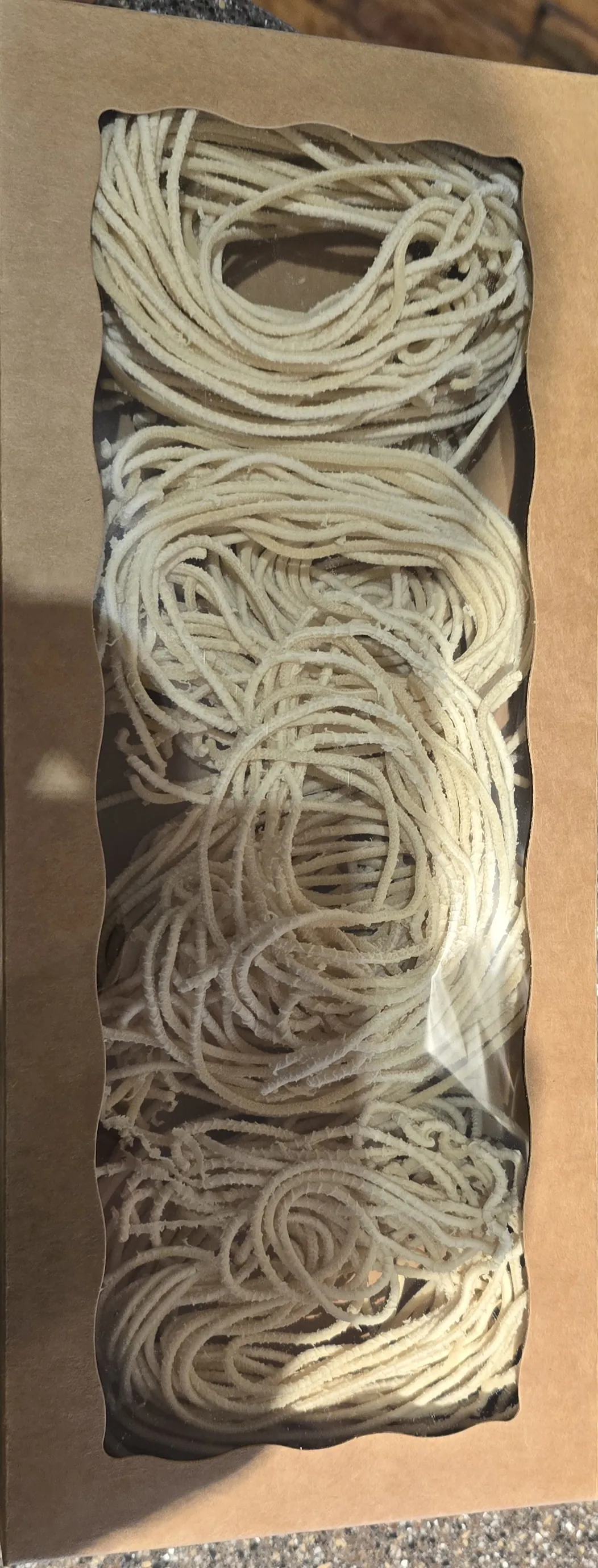
Long pasta such as spaghetti is easy to portion with a scale, but it can also be gathered into bundles. Use the scale a few times until you recognize what 2 ounces looks like in your hand. Avoid trying to judge it by the diameter of a random kitchen tool, which tends to create more confidence than accuracy.
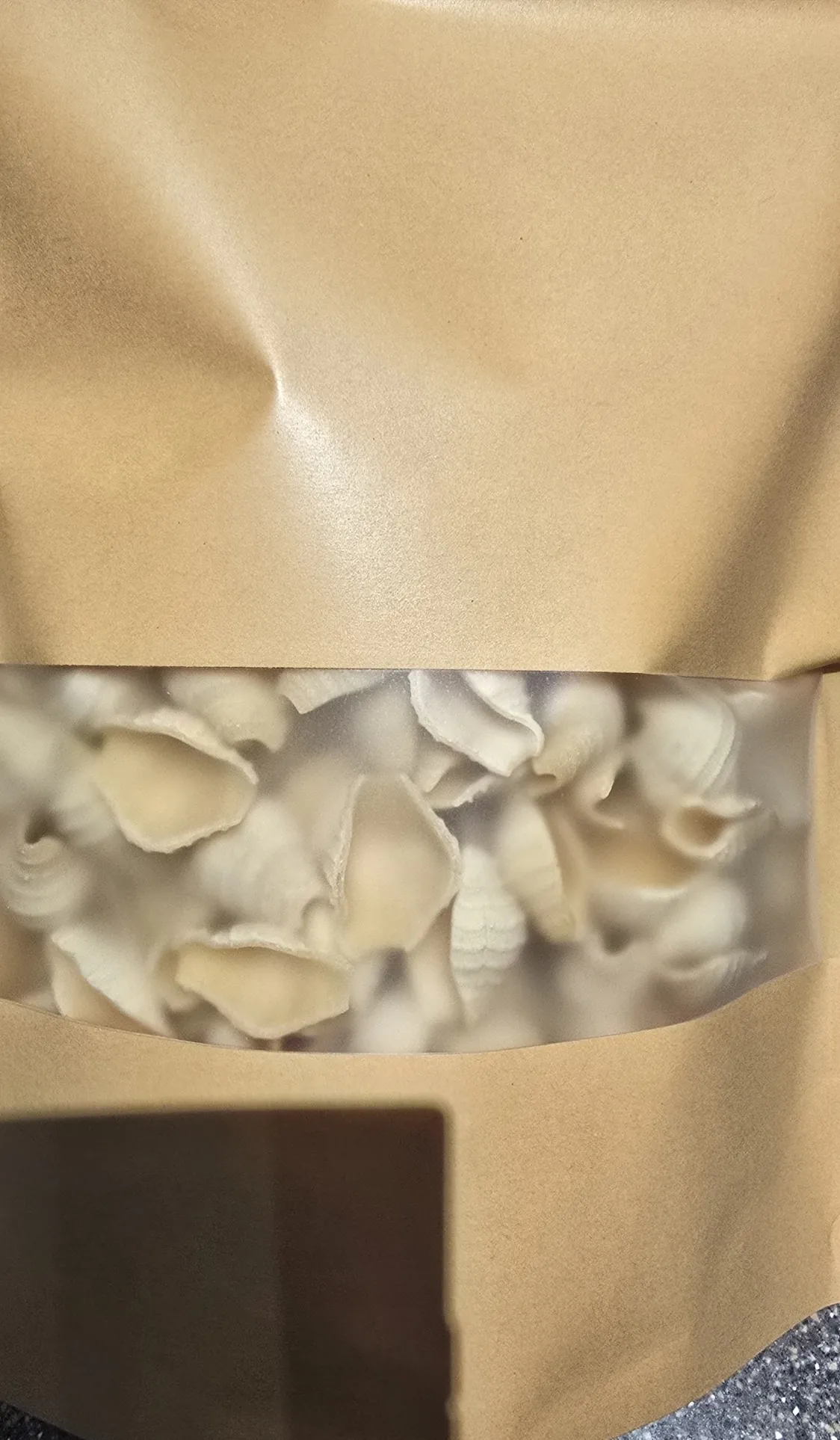
Short, hollow and ridged shapes are best weighed. Their roomy forms can look like a lot before cooking, then settle into a reasonable bowl once sauce coats them. Small elbows and shells are especially easy to overpour from a large bag, so portioning them in a bowl first helps.
Fresh pasta is a different ingredient and usually calls for a larger amount by weight because it contains more water. Follow the maker's directions when you have them, and do not use dry-pasta cups or bundles as a substitute. The question is always: what kind of pasta am I cooking, and what role is it playing in this meal?
Plan a one-pound package with confidence
Homestyle Dough's 100% semolina pasta comes in a one-pound package, which makes it an easy fit for a family meal, a small dinner party or a few planned pasta nights. At the standard main-course portion, it serves about eight people. For four people who enjoy a generous bowl, use most or all of the package and let the extra become tomorrow's lunch.
Choose a shape that suits the sauce, keep the rest of the dinner simple, and measure before you start the water. The easy pasta night ideas guide can help with the rest of the table, while our pasta collection shows the current options for a dinner that feels more special without becoming complicated.
A good portion is the one that makes dinner easy to enjoy. Start with the chart, notice what your household finishes happily, and adjust next time. That is a much better kitchen system than always guessing, always running short, or always wondering how one pound became an entire stockpot.
Frequently asked questions
How much dry pasta should I make per person?
For a main course, plan on about 2 ounces of dry pasta per adult. That is 8 ounces for four people and a one-pound package for eight people. Adjust down when pasta is a side dish or the table is full of other food.
How much pasta do I need for four people?
Start with 8 ounces of dry pasta for a main-course dinner for four. Use 6 ounces when pasta is a side dish, or make 10 to 12 ounces when the group has big appetites and pasta is the center of the meal.
How much pasta is in a one-pound package?
A one-pound package holds 16 ounces, which is enough for about eight standard main-course portions at 2 ounces each. It can serve fewer people when you want large bowls or more people when it is part of a bigger spread.
Does the pasta shape change the portion?
The weight is the reliable guide, but the shape changes how a portion looks. Long pasta can be gathered into bundles, while short shapes are easier to measure with a kitchen scale or a measuring cup after you have weighed a few portions.
How much cooked pasta does 2 ounces dry make?
Dry pasta usually expands noticeably as it cooks, but the exact yield depends on the shape and how long it cooks. Use the dry weight for planning and the package directions for the best guide to that specific pasta.
Related posts

Easy Pasta Night Ideas for Any Weeknight
A few low-fuss ways to turn handmade semolina pasta, a good sauce and simple sides into a dinner worth sitting down for.
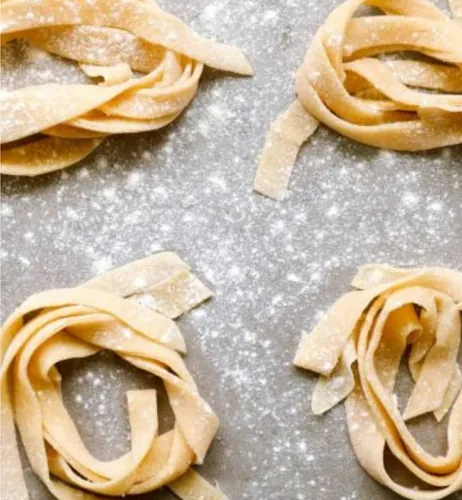
Does Dry Pasta Expire? What to Know Before You Cook It
A practical guide to dry pasta dates, pantry storage and the signs that tell you when a package is not worth using.
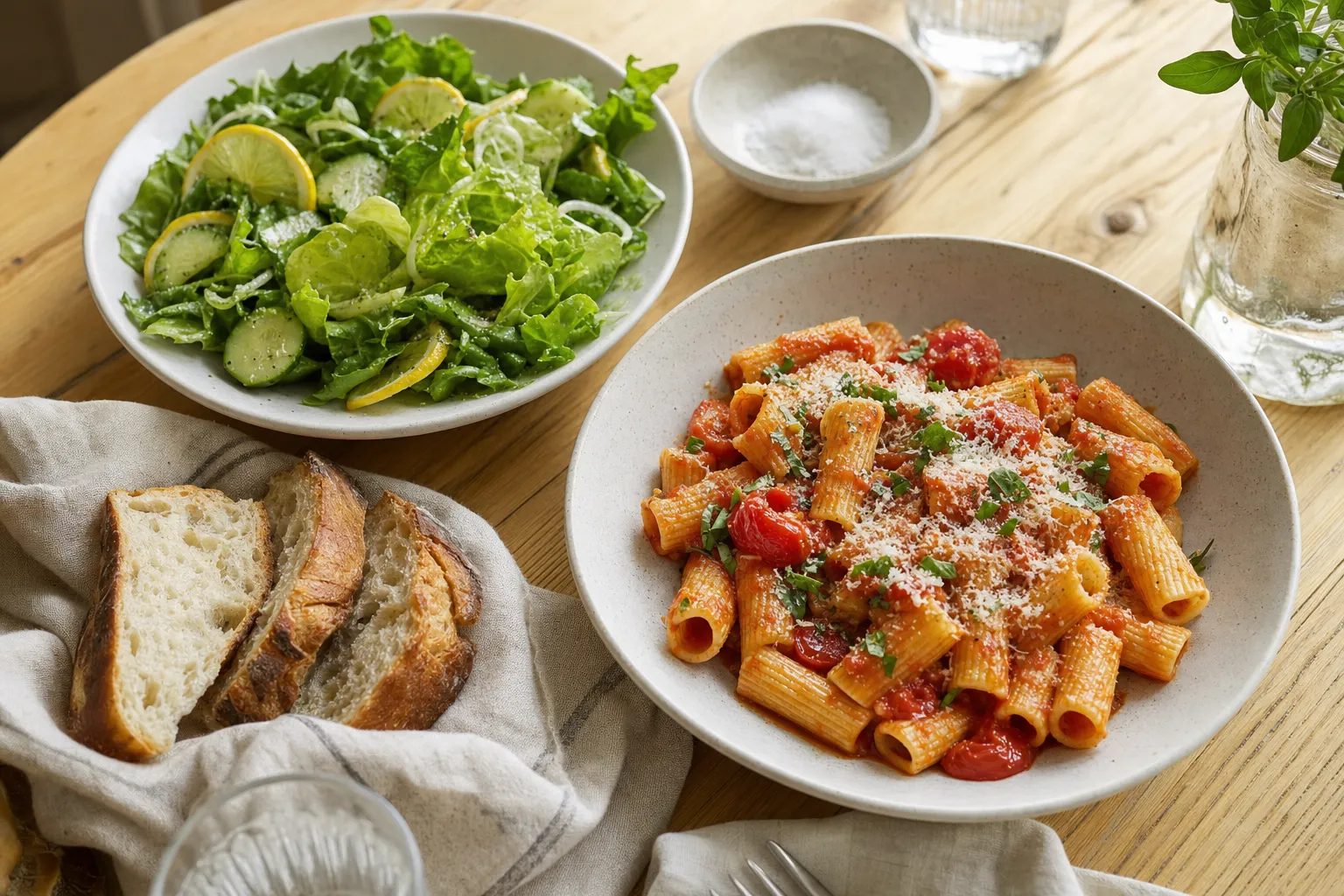
Side Dishes for Pasta: Easy Ideas for Dinner
Simple salads, vegetables and bread that make pasta night feel complete without turning dinner into a long project.
How Much Water for Pasta? A Simple Guide
Use enough water for pasta to move freely, then keep the rest of dinner simple with a few practical cooking cues.