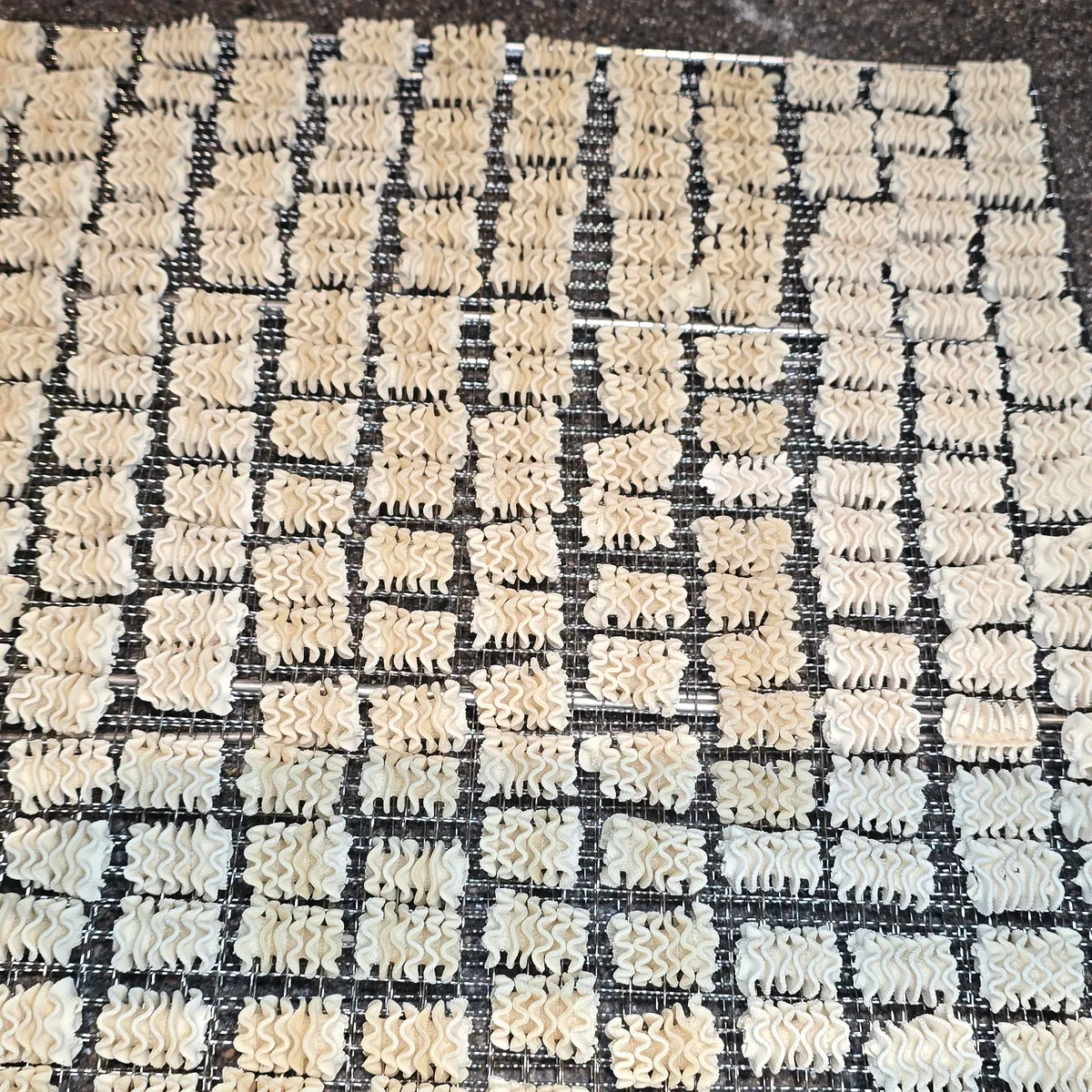
Semolina pasta is the sturdy, golden pasta many people reach for without giving it much thought. It is made from durum wheat, holds its shape beautifully, and gives an ordinary sauce something to grab onto. Once you know what makes it different, choosing a shape for dinner gets much easier.
The quick answer
Semolina pasta is a type of dried pasta made with durum wheat. When a package says “100% durum wheat semolina,” it is telling you that the pasta begins with that single sturdy wheat flour rather than a blend of wheat flours or a fresh egg dough. It is a useful choice when you want pasta that keeps well in the pantry and has enough structure for a generous sauce.
That does not make it a specialty ingredient reserved for complicated dinners. It is the pasta for a tomato sauce after work, a pan of baked pasta for friends, or a butter-and-parmesan bowl when the fridge is nearly empty. The practical benefit is simple: semolina pasta brings reliable texture to a meal without needing much help from the cook.
Think of it as the dependable middle ground between convenience and a proper meal. You can pull a box from the shelf, add a familiar sauce, and still make something with contrast and character. The pasta does some of the work for you: the ridges catch the sauce, the firm bite makes a simple bowl feel more satisfying, and the pantry-friendly format lets you keep an easy dinner close at hand. It is also versatile enough to move from a quick solo dinner to a table full of guests without changing the basic plan, whether that means a quiet weeknight or a casual Sunday table with friends, family, and plenty of good sauce.
Semolina pasta starts with durum wheat
Semolina pasta is dried pasta made with semolina, a coarse flour milled from durum wheat. Durum is a hard wheat with a high-protein grain and a warm golden color. It is the wheat most closely associated with classic dried Italian pasta, which is why you will see “durum wheat semolina” on so many pasta packages.
The name can sound more specialized than it is. Semolina is simply one of the most useful pantry building blocks for pasta: firm enough to create shapes that stay intact in boiling water, yet mild enough to work with nearly any sauce you want to make. Durum wheat is valued for its hard texture and is widely used for pasta, couscous, and similar foods.
For dinner, that means a dependable texture. A good semolina pasta should not vanish into the sauce or turn fragile the moment you stir it. It should give you a satisfying bite, carry its share of the sauce, and make a simple meal feel like one you meant to cook.
Why it feels different from other pasta
Not every pasta has the same job. Fresh pasta is soft, tender, and often made with eggs. It is lovely with delicate sauces, but it needs gentler handling and usually a shorter cooking time. Dried semolina pasta is built for the cupboard and for sauces that need a little structure underneath them.
The difference shows up at the table. A bowl of dried semolina spaghetti can stay springy under olive oil, tomatoes, or a hearty sauce. Ridged penne and radiatori give sauce plenty of places to settle. Shells catch small vegetables, cheese, and bits of sauce. The goal is not to declare one kind of pasta better than another. It is to use the right one for the dinner you are making.
Semolina pasta is also not the same thing as every pasta labeled “wheat pasta.” The ingredient list tells the real story. Some pastas use a blend of flours, some include egg, and some are designed around gluten-free ingredients. For anyone avoiding an allergen, the package is the decision-maker. The Food and Drug Administration’s food-allergy guidance is a useful reminder that labels should be checked every time a specific ingredient matters.
What semolina pasta tastes like
Semolina pasta has a clean, wheaty flavor that stays in the background until you pay attention to it. It is not meant to compete with the sauce. Instead, it gives tomato, butter, garlic, herbs, cheese, and roasted vegetables a good place to land.
Its more noticeable quality is texture. When cooked well, semolina pasta has a pleasant firmness at the center. That is the reason it works so well for a weeknight dinner: a jarred sauce can still feel thoughtful when the pasta underneath it has shape and bite.
The flavor also changes a little from one product to another. A plain semolina pasta is an easy all-purpose choice. A basil pasta can bring a fresh herb note to a quick meal, while a roasted tomato or red wine pasta can make a simple sauce feel more layered. Start with the meal you want, then choose the pasta that gives it a little personality without making dinner harder.
Because it is dried, semolina pasta is also useful long before dinner starts. It can wait in the pantry for the night you need an answer to “what can we make quickly?” That does not mean every old package deserves a place at the table. Keep dry pasta sealed in a cool, dry cupboard, follow its package guidance, and inspect anything that has been open for a long time. Our guide to dry pasta dates and storage walks through the practical signs to check.

Choose the shape for the sauce, not just the shelf
Shape matters because it changes how the pasta and sauce meet. There is no need to memorize an Italian rulebook. A few practical cues will take you a long way.
- Ridged tubes, such as penne rigate: a strong choice for thick tomato sauces, baked pasta, and sauces with small pieces of sausage or vegetables.
- Ruffled shapes, such as radiatori: good for sauce-heavy bowls because the folds give sauce room to hold on.
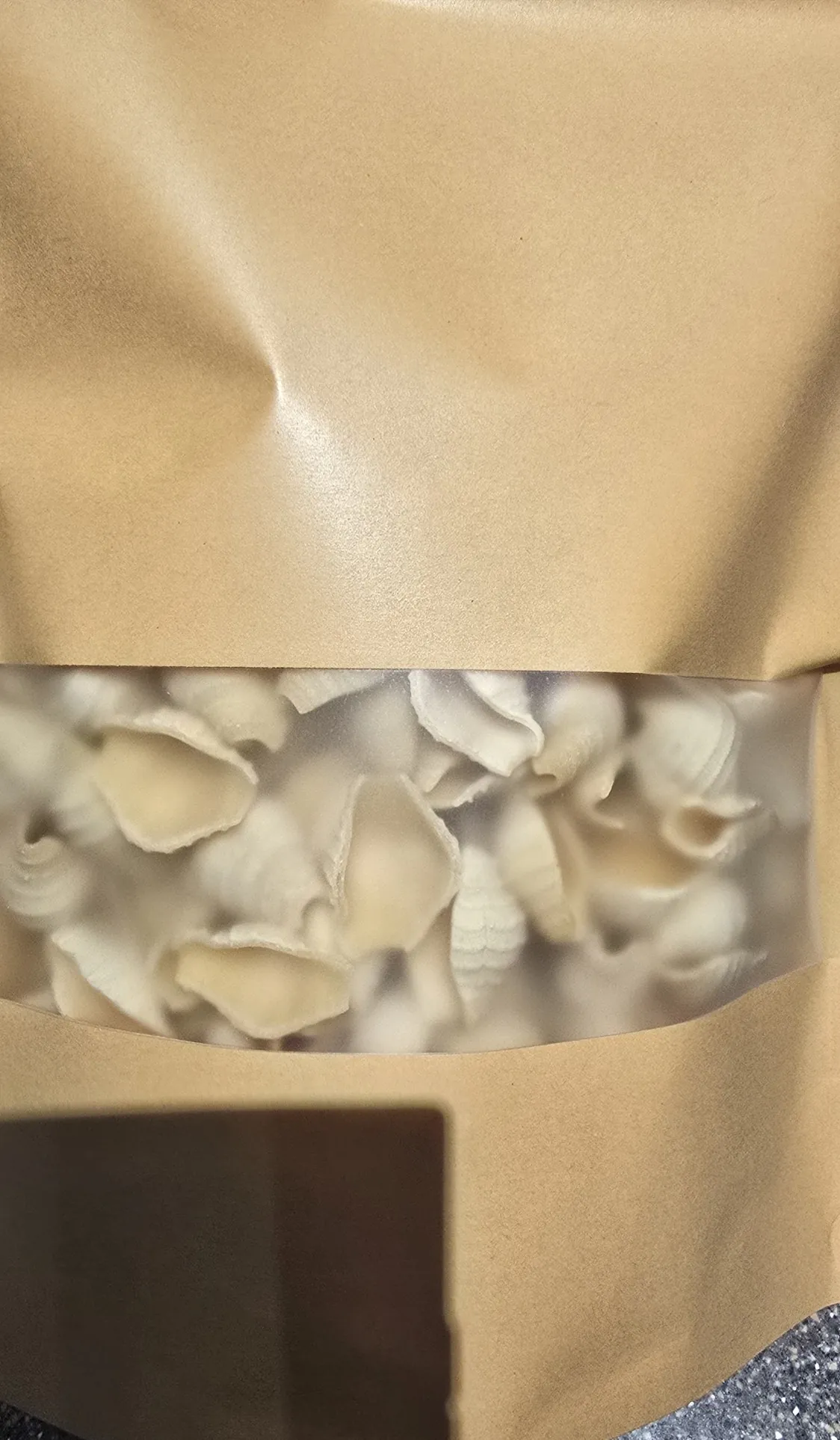
- Shells, such as conchiglie rigate: useful for thicker sauces, pasta salad, and meals with peas, chopped vegetables, or cheese.
- Long strands, such as spaghetti: a natural match for olive oil and garlic, butter and herbs, smooth tomato sauce, or a simple meat sauce.
- Small elbows: easy for stovetop macaroni and cheese, soups, and pasta salads where the bite should feel compact and familiar.
That is why one bag of pasta is not always interchangeable with another. If the sauce is smooth and light, long strands may make the bowl feel more balanced. If the sauce is chunky, choose a shape with ridges, curves, or cups that can carry a little of everything in each bite. The right shape makes a low-effort meal taste more complete without asking you to add more ingredients.
How to cook semolina pasta without overthinking it
Start with a pot that gives the pasta room to move. Bring the water to a full boil, salt it so the water tastes pleasantly seasoned, and add the pasta. Stir during the first minute or two, especially with long strands or shapes that want to settle at the bottom of the pot.
Then use the package as your primary guide. Different shapes need different timing, and thickness matters. Taste a piece near the end of the suggested cooking window. You are looking for pasta that is tender but still has a little resistance at the center. If it feels chalky or hard, it needs more time. If it has become soft enough to lose its shape, it has gone a little too far.
Before draining, save a cup of the cooking water. That small step is one of the easiest ways to make a sauce feel less separate from the pasta. A spoonful of starchy water can loosen a thick sauce, help olive oil and cheese cling, and give the finished bowl a more connected texture. For more detail on the pot itself, our guide to pasta water keeps the decision simple.
Finish the pasta with the sauce instead of pouring sauce over a bare bowl whenever you can. Toss them together for a minute in the warm pot or a skillet. The pasta picks up flavor, the sauce settles into the shape, and dinner looks and tastes more like it belongs together.
Two small adjustments can rescue a simple pasta night. If the sauce looks tight or the pasta feels dry, add cooking water a spoonful at a time while you toss. If the sauce looks loose, keep tossing over gentle heat for another minute before adding more water. The pasta will keep absorbing a little sauce after it leaves the pot, so serve it as soon as it looks glossy and settled rather than waiting for a perfect still moment.

A few easy ways to serve it
Semolina pasta is at its best when the plan stays simple. Pick one sauce, one fresh side, and something warm for the table. A few combinations make that especially easy:
- Tomato sauce, ridged pasta, and bread: choose penne or radiatori, warm a good tomato sauce, and add a loaf or focaccia for the last bit on the plate.
- Olive oil, garlic, and spaghetti: toss with red pepper flakes, lemon, parsley, and grated cheese for a dinner that comes together quickly.
- Shells, roasted vegetables, and cheese: fold roasted broccoli, peppers, or zucchini into warm shells with a simple sauce and a generous handful of parmesan.
- Small elbows and a creamy sauce: make a familiar, crowd-friendly bowl with sharp cheese, black pepper, and a green vegetable on the side.
When you are feeding a group, use the dry weight to plan the pasta before you start. Our pasta portion guide gives a straightforward starting point for two people, four people, or a bigger table. It is one less thing to estimate while the water is boiling.
Where Homestyle Dough fits in
Homestyle Dough makes 100% durum-wheat semolina pasta in small batches for the kind of meals that need to be easy and still feel worth sitting down for. You can choose from shapes such as maccheroni rigati, large elbows, penne rigate, spaghetti, shells, and radiatori, then build dinner around the sauce you already want to make.
Browse the current handmade semolina pasta selection to see the available shapes, or visit the 100% semolina pasta page when you already know what you want for the table. For a little more dinner inspiration, the easy pasta night guide pairs a good pasta with a simple sauce and one fresh side.
The useful takeaway
Semolina pasta is the sturdy dried pasta you want when dinner needs to be dependable. It is made from durum wheat, comes in shapes that suit different sauces, and gives you a good base for a meal that does not require a long list of ingredients.
Choose the shape that fits the sauce, cook it until it still has a little bite, save some pasta water, and keep the rest of the table uncomplicated. That is enough for a pasta night people will be happy to linger over.
Frequently asked questions
What is semolina pasta made from?
Semolina pasta is made with semolina, a coarse flour milled from durum wheat. Water is typically the other essential ingredient in dried pasta, although recipes and brands can vary.
Is semolina pasta the same as regular pasta?
Semolina pasta is a common kind of regular dried pasta, but not every pasta is made the same way. Fresh egg pasta, gluten-free pasta, and pasta made with other flours can have a different texture, flavor, and cooking behavior.
Does semolina pasta contain eggs?
Some pasta does and some does not. Semolina itself is wheat, not egg, but recipes vary. Read the ingredient statement and allergen information on the specific package when eggs or wheat are a concern.
What sauce goes best with semolina pasta?
Choose the shape first, then match the sauce. Ridged tubes and ruffled shapes hold hearty tomato and meat sauces well, while long strands are lovely with lighter olive-oil, butter, or herb sauces.
How do you cook semolina pasta?
Bring a roomy pot of well-salted water to a boil, cook until the pasta is just tender with a little bite, reserve some cooking water, and finish it with the sauce. The package directions are the best timing guide for the shape in front of you.
Related posts
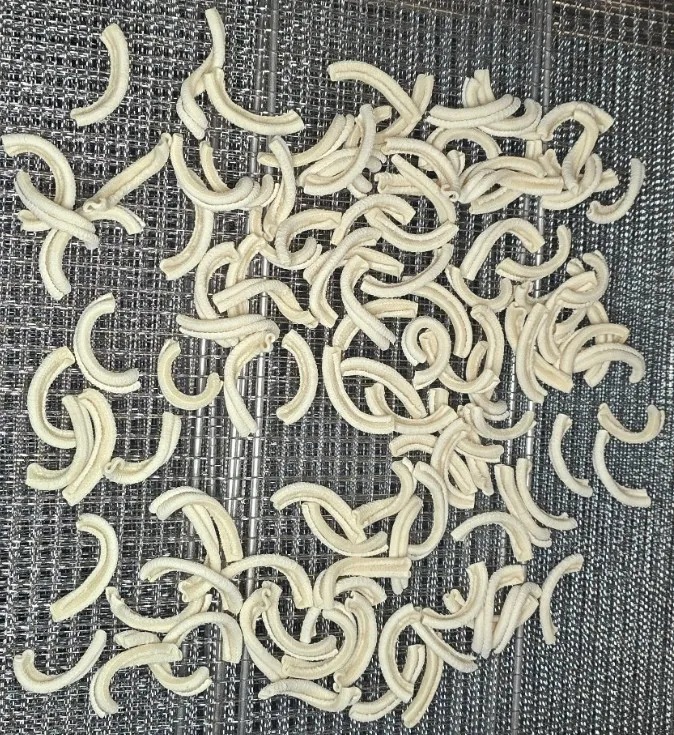
Best Sauces for Casarecce Pasta: A Simple Guide
Choose a sauce that settles into casarecce’s twists, then cook and finish this short pasta for an easy, satisfying dinner.
Fresh vs. Dried Pasta: Cooking Time Differences
Learn why fresh and dried pasta cook at different speeds, how to tell when each is ready, and which one makes sense for dinner.
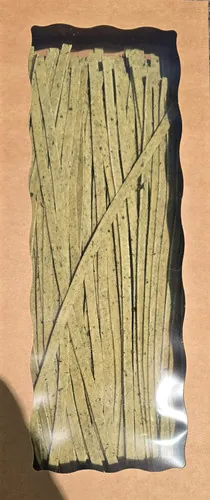
Easy Pasta Night Ideas for Any Weeknight
A few low-fuss ways to turn handmade semolina pasta, a good sauce and simple sides into a dinner worth sitting down for.
Does Dry Pasta Expire? What to Know Before You Cook It
A practical guide to dry pasta dates, pantry storage and the signs that tell you when a package is not worth using.